

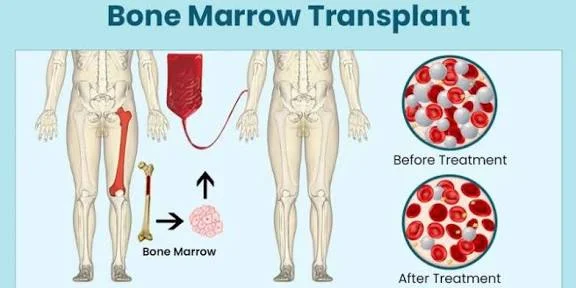
When someone is facing a serious blood disease, like leukaemia, lymphoma or myeloma, their doctor may talk about a bone marrow transplant as a potential treatment. It can sound overwhelming, but a transplant is essentially a “factory reset” for the body’s blood and immune system.
For patients in Pakistan and around the world, the landscape of this life-saving procedure is rapidly evolving. In 2026, advanced bone marrow transplant care is no longer just about the procedure itself; it’s about a smarter, more personalized, and safer journey from diagnosis through recovery, powered by new technology and deeper medical knowledge.
Understanding the Transplant Journey
A bone marrow transplant, also known as a stem cell transplant, involves replacing a patient’s diseased or damaged bone marrow with healthy stem cells. These stem cells can come from the patient themselves (an autologous transplant) or from a donor (an allogeneic transplant). The goal is simple: to create a new, healthy blood-producing system.
The bone marrow transplant procedure typically involves several key steps:
- Preparation (Conditioning): High-dose chemotherapy or radiation is used to destroy the diseased bone marrow and suppress the immune system to prevent rejection of the new cells.
- Transplant Day: The healthy stem cells are given through an IV drip, much like a blood transfusion.
- Engraftment: Over the next 2-4 weeks, the new stem cells travel to the bones and begin making healthy blood cells. This is a critical waiting period.
- Recovery: The focus shifts to managing side effects, preventing infections, and supporting the new immune system.
The 2026 Difference: Innovations Shaping Care
What makes a bone marrow transplant in 2026 different from a decade ago? The field is being revolutionized by precision and personalization.
- Latest Bone Marrow Transplant Treatments: Doctors now have more refined conditioning regimens. “Reduced-intensity” transplants allow older patients or those with other health issues to receive a transplant with fewer toxic side effects, significantly broadening who can be helped.
- Innovations in Bone Marrow Transplant: A major breakthrough is in advanced stem cell therapy. This includes better techniques for selecting and processing donor cells, as well as the growing use of haploidentical transplants. This allows a patient to use a “half-matched” donor, like a parent, child, or sibling, making it much easier to find a suitable match for almost every patient.
- AI in Bone Marrow Transplant Care: Artificial Intelligence is transforming care. AI algorithms can now analyze vast amounts of data to better predict a patient’s risk of complications, suggest personalized drug dosages, and match donors with recipients with incredible precision, aiming to improve the bone marrow transplant success rate.
- Personalized Transplant Care: The “one-size-fits-all” approach is fading. Treatment plans are tailored based on a patient’s unique genetic makeup, the specific characteristics of their disease, and their overall health profile. This personalized approach helps maximize success while minimizing risks.
The Road to Recovery: What to Expect
Bone marrow transplant recovery is often described as a marathon, not a sprint. The average initial hospital stay is 4-6 weeks, but the full recovery period can last a year or more. In 2026, recovery is supported by better anti-infection drugs, more effective medications to manage graft-versus-host disease (when donor cells attack the patient’s body), and closer, technology-enabled monitoring. Patients can expect frequent check-ups and tests to ensure the new cells are working properly.
For patients in Pakistan, knowing the bone marrow transplant recovery time and process is crucial for planning. It requires a strong support system of family and caregivers.
Practical Advice and Actionable Steps
If you or a loved one is considering this path, here is what you can do:
- Ask Informed Questions: Before a transplant, ask your healthcare team: What type of transplant is best for me? What is the center’s experience and success rate? What will the recovery timeline look like? What are the potential long-term effects?
- Prepare Holistically: Preparation isn’t just medical. Work on physical strength with light exercise as approved by your doctor. Equally important is mental and emotional preparation. Connecting with a counselor or support group can be invaluable.
- Focus on Post-Transplant Care: After the transplant, meticulous hygiene, a safe diet, and taking all medications exactly as prescribed are non-negotiable to prevent infections and complications. Your care team will give you detailed instructions.
Navigating Cost and Access in Pakistan
A major concern for families is the cost of bone marrow transplant in Pakistan. The expense can be substantial, varying greatly depending on the type of transplant, the hospital, and whether any complications arise. It is essential to consult with hospital financial counselors early on. Some support may be available through government health programs, non-profit organizations like the Pakistan Bait-ul-Mal, or hospital-based charitable funds.
Access to the best bone marrow transplant hospitals has improved in major cities. Centers in Karachi, Lahore, and Islamabad, such as Aga Khan University Hospital, NIBD, Shaukat Khanum Memorial Cancer Hospital & Research Centre, and the Armed Forces Bone Marrow Transplant Centre, offer advanced facilities with growing expertise. When researching, look for centers with dedicated transplant teams, accredited laboratories, and strong post-transplant support services.
Looking Forward with Hope
The world of bone marrow transplant is one of remarkable and constant progress. The innovations in bone marrow transplant in 2026 are making this complex procedure safer, more accessible, and more successful than ever before.
For patients in Pakistan, the key is early and accurate diagnosis, seeking care at a specialized center, and becoming an active, informed participant in the treatment journey. While the path is challenging, the goal, a return to health and a second chance at life is clearer and more achievable than it has ever been.
Disclaimer: This article is for informational purposes only and is not a substitute for professional medical advice. Always consult a qualified healthcare provider for diagnosis and treatment.


