

Blood plays an essential role in carrying oxygen, fighting infections, controlling bleeding, and supporting overall health. When problems develop in red blood cells, white blood cells, platelets, or the bone marrow, they can affect everyday life and may require specialist care. Women can be particularly affected by conditions involving blood loss, anaemia, clotting, and platelet abnormalities. Knowing when to seek medical advice can help ensure that blood disorders are identified and treated at the right time.
A haematologist specialises in conditions affecting the blood, bone marrow, and lymphatic system. Seeing one does not necessarily mean that cancer is suspected; haematologists also manage many common and treatable conditions.
What Does a Haematologist Do?
A haematologist is a medical specialist who diagnoses, treats, and manages conditions affecting blood cells, blood clotting, and the tissues responsible for producing blood.
A specialist may investigate problems involving:
- Red blood cells and anaemia
- White blood cells
- Platelets
- Blood clotting
- Bone marrow
- Blood cancers
- Inherited blood conditions
Women may be referred to a specialist after an abnormal blood test, persistent symptoms, unexplained bleeding, or a condition that has not responded adequately to initial treatment.
Why Blood Disorders May Affect Women Differently
Women experience certain health situations that can increase the likelihood of blood-related problems.
These include:
- Menstruation and heavy menstrual bleeding
- Pregnancy
- Childbirth
- Hormonal changes
- Nutritional deficiencies
- Certain autoimmune conditions
Heavy menstrual bleeding, for example, can contribute to iron deficiency because regular blood loss may gradually reduce the body’s iron stores. Clinical guidance recognises a relationship between heavy menstrual bleeding and iron deficiency anaemia.
This does not mean every woman with heavy periods has a blood disorder. However, persistent or unusually heavy bleeding should be discussed with a healthcare professional.
Common Blood Disorder Symptoms Women Should Not Ignore
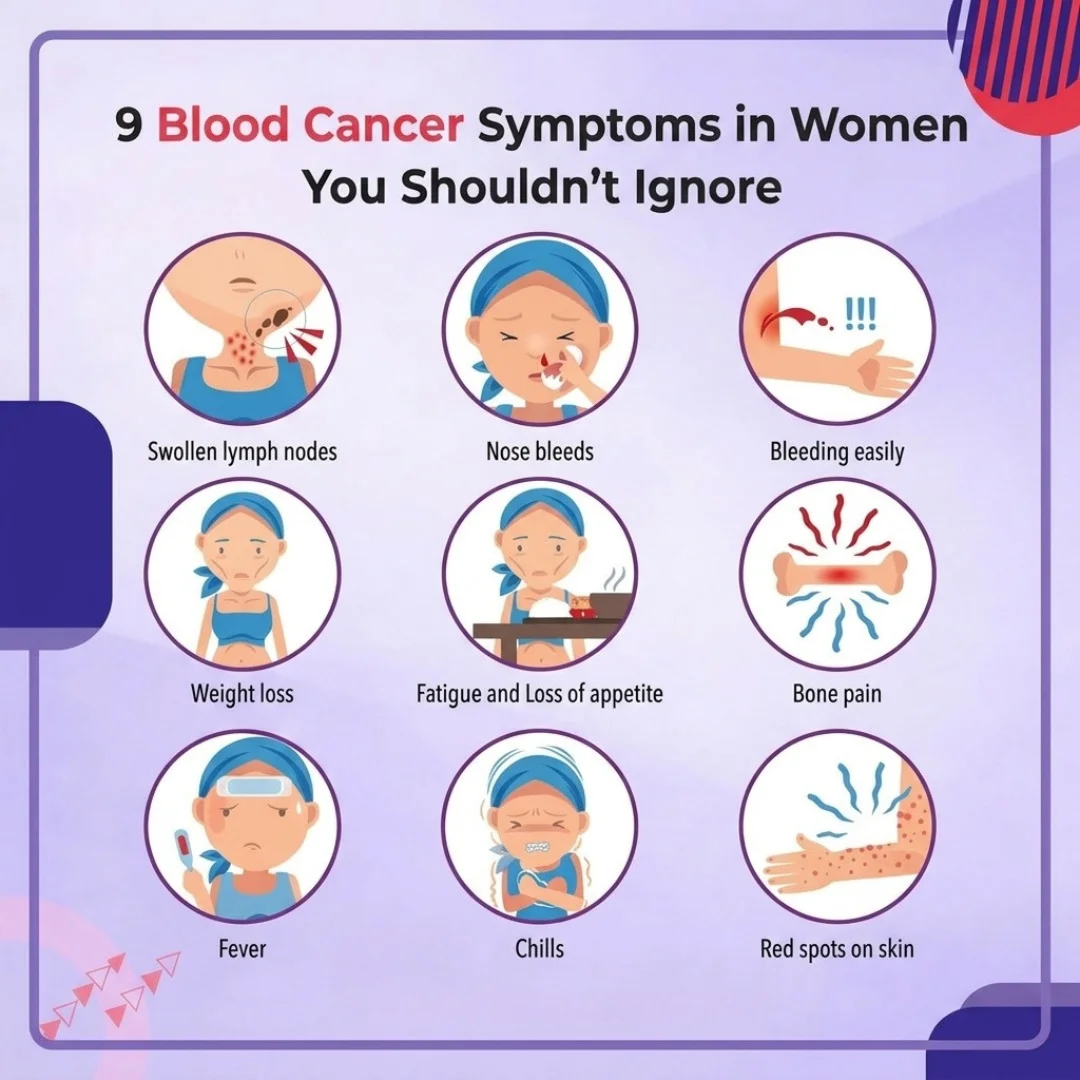
Symptoms can vary considerably depending on which part of the blood is affected. Common blood disorder symptoms may include:
- Persistent tiredness
- Weakness
- Pale skin
- Shortness of breath
- Dizziness
- Frequent infections
- Easy bruising
- Nosebleeds
- Excessive menstrual bleeding
- Unexplained bleeding
- Swollen lymph nodes
These symptoms can have many causes and do not automatically indicate a serious condition. However, symptoms that persist, worsen, or occur alongside abnormal blood test results deserve medical attention.
Persistent Fatigue and Weakness
Feeling tired after a busy day is normal, but persistent exhaustion that interferes with everyday activities may need investigation.
Anaemia can reduce the amount of oxygen carried around the body, leading to tiredness, weakness, breathlessness, headaches, and paler skin. Iron deficiency is one of the most common causes of anaemia and can develop gradually.
Women with ongoing fatigue should not automatically assume that stress or a busy lifestyle is responsible. A simple blood test can help determine whether anaemia or another underlying problem may be contributing.
Heavy or Unusual Menstrual Bleeding
Heavy periods are common, but very heavy or prolonged bleeding should not simply be accepted as normal.
Signs that menstrual bleeding may need medical assessment include:
- Needing to change sanitary products very frequently
- Bleeding that interferes with daily activities
- Passing unusually large blood clots
- Feeling extremely tired during or after periods
- Bleeding for longer than expected
- Developing anaemia
Heavy periods can have several causes, including hormonal conditions, fibroids, medications, and bleeding disorders. Healthcare professionals may use blood tests and other investigations to determine the underlying cause.
When Iron Deficiency Requires Further Investigation
Iron deficiency is often associated with blood loss, including heavy menstrual bleeding. However, simply taking iron supplements may not address the underlying reason for the deficiency.
A woman may need further assessment if:
- Anaemia keeps returning
- Iron levels remain low despite treatment
- The cause of blood loss is unclear
- Symptoms are severe
- Oral iron treatment is ineffective or poorly tolerated
- There are other abnormal blood results
Blood tests can assess haemoglobin and other markers, while additional investigations may be recommended depending on the patient’s history and symptoms.
Easy Bruising and a Low Platelet Count
Platelets help the blood form clots and stop bleeding. An unexplained low platelet count can sometimes cause easy bruising, nosebleeds, bleeding gums, or heavier menstrual bleeding.
A reduced platelet count can occur for many reasons, including infections, medications, immune conditions, nutritional deficiencies, and problems affecting the bone marrow.
Not every low platelet result requires specialist treatment. Doctors usually consider the severity, whether the result is persistent, other blood counts, symptoms, and the patient’s medical history before deciding on further investigation. Very low platelet levels or active bleeding require prompt medical assessment.
Abnormal Blood Test Results
A woman may be referred to a haematologist even when she feels completely well.
Routine blood tests can reveal:
- Low haemoglobin
- Abnormal white blood cell counts
- Reduced or elevated platelets
- Abnormal red blood cell characteristics
- Unusual clotting results
An abnormal result does not necessarily mean that a serious illness is present. Temporary changes can occur because of infections, medications, nutritional deficiencies, or other conditions.
However, persistent or unexplained abnormalities may require specialist evaluation. A haematologist may review previous results and recommend additional tests to establish the cause.
Blood Clotting Problems
Some women experience problems with excessive bleeding, while others may develop abnormal blood clots.
A history of excessive bleeding may become particularly noticeable after:
- Surgery
- Dental procedures
- Childbirth
- Injuries
- Menstruation
A personal or family history of unusual bleeding can provide important clues about an inherited clotting condition. NICE guidance recommends considering a coagulation disorder in women who have had heavy menstrual bleeding since their periods began and have a personal or family history suggesting a bleeding disorder.
How Are Blood Disorders Diagnosed?
Diagnosis usually begins with a detailed medical history and physical examination.
Common investigations include:
Complete Blood Count
A full blood count measures red blood cells, white blood cells, and platelets. It is often one of the first tests used when a blood problem is suspected.
Iron Studies
Tests such as ferritin can help assess the body’s iron stores and investigate suspected iron deficiency.
Blood Film
A peripheral blood smear allows specialists to examine blood cells under a microscope and identify changes that may require further investigation.
Clotting Tests
These assess how effectively blood forms clots and can help investigate unexplained bleeding or abnormal coagulation.
Additional Investigations
Depending on the findings, a specialist may recommend nutritional testing, genetic testing, imaging, or bone marrow investigations.
Treatment Options for Women
Treatment depends entirely on the underlying cause.
Possible approaches include:
- Iron replacement
- Vitamin supplementation
- Medicines to manage bleeding
- Treatments for immune-related conditions
- Blood transfusions when medically necessary
- Treatments for clotting disorders
- Specialist management of bone marrow conditions
For women with heavy periods, treating the source of excessive bleeding may be an important part of preventing recurrent anaemia.
When Should You See a Haematologist?
A referral may be appropriate if you have:
- Persistent or unexplained anaemia
- Recurrent iron deficiency
- Unexplained bruising or bleeding
- Persistently abnormal blood counts
- A significant family history of blood disorders
- Recurrent infections with abnormal blood tests
- Persistent platelet abnormalities
- A suspected bleeding or clotting disorder
- Symptoms that do not improve with initial treatment
Urgent medical attention is appropriate for severe or uncontrolled bleeding, particularly when accompanied by weakness, dizziness, fainting, or other concerning symptoms.
Can Blood Disorders Be Prevented?
Not all blood conditions can be prevented, particularly inherited disorders. However, maintaining good nutrition, attending recommended health checks, managing chronic conditions, and seeking medical advice for persistent symptoms can support early detection.
Women should also avoid self-treating persistent anaemia without investigating its cause. Although iron deficiency is common, the underlying reason for iron loss should be considered when deficiency is recurrent or unexplained.
Final Thoughts
Women can experience blood-related conditions at different stages of life, from menstruation and pregnancy to later adulthood. Persistent fatigue, unusual bleeding, recurrent anaemia, unexplained bruising, or abnormal blood test results should not be dismissed, particularly when symptoms continue despite initial treatment.
Early assessment can help identify the underlying cause and determine whether specialist care is required. In Pakistan, specialised institutions such as NIBD provide haematology services and comprehensive care for patients with complex blood and bone marrow conditions.
FAQs
When should a woman see a haematologist?
A woman may need to see a haematologist for persistent anaemia, unexplained bleeding or bruising, abnormal blood counts, recurrent blood abnormalities, or suspected clotting disorders.
Does seeing a haematologist mean I have cancer?
No. Haematologists treat many non-cancerous conditions, including anaemia, platelet disorders, clotting problems, and inherited blood conditions.
Can heavy periods cause anaemia?
Yes. Heavy menstrual bleeding is a common cause of iron deficiency anaemia because ongoing blood loss can reduce the body’s iron stores.
What does a full blood count detect?
A full blood count measures red blood cells, white blood cells, and platelets and can help identify abnormalities that require further investigation.
Is a low platelet count always serious?
No. The significance of a low platelet count depends on how low it is, whether it persists, other blood results, the underlying cause, and whether the person has bleeding symptoms.
What tests might a haematologist recommend?
Depending on the symptoms, a specialist may recommend a full blood count, iron studies, blood film, clotting tests, nutritional tests, genetic testing, or bone marrow investigations.


