
Blood contains several components that perform essential functions throughout the body. In some serious illnesses, harmful antibodies, abnormal proteins, or other substances can build up in the plasma and contribute to disease. A person’s platelet count may also be affected in certain blood disorders, creating a risk of serious complications. Plasma exchange is a specialised procedure that removes problematic substances from the bloodstream and replaces the plasma with a suitable replacement fluid. It is used for selected blood, neurological, autoimmune, and other medical conditions when rapid removal of harmful substances may improve the patient’s condition. What Is Plasma? Plasma is the liquid component of blood. It makes up more than half of total blood volume and contains water, proteins, electrolytes, hormones, nutrients, and other substances. Plasma helps: Transport nutrients and hormones Carry proteins throughout the body Support blood clotting Maintain blood pressure and fluid balance Support immune system functions Some diseases cause harmful antibodies, immune complexes, or abnormal proteins to circulate in plasma. Removing these substances can sometimes provide rapid relief or prevent further complications. What Is Plasma Exchange? Plasma exchange is a procedure in which blood is removed from the body and passed through a specialised machine. The machine separates plasma from the blood cells. The plasma is removed and replaced with a fluid such as albumin solution or donor plasma. The remaining blood cells are then returned to the patient. The procedure is also known as plasmapheresis, although the terms are sometimes used differently. Plasmapheresis refers to the separation or removal of plasma, while therapeutic plasma exchange specifically involves removing plasma and replacing it with another fluid. The treatment usually takes several hours, and the number of sessions depends on the underlying condition and the patient’s response. How Does Plasma Exchange Work? The process involves several steps: Blood is removed through intravenous access. A specialised machine separates plasma from blood cells. The patient’s plasma is removed. Replacement fluid is added to the blood. Blood cells and replacement fluid are returned to the patient. The procedure does not directly remove red blood cells or platelets as its primary purpose. Instead, it targets substances circulating within the plasma. Plasma exchange may remove: Harmful antibodies Immune complexes Abnormal proteins Certain toxins Other disease-associated substances Because the procedure removes both harmful and beneficial plasma components, doctors carefully monitor patients during treatment. When Is Plasma Exchange Recommended? Plasma exchange is not a routine treatment for most illnesses. It is considered when there is evidence that removing substances from the plasma can improve the patient’s condition. Doctors may recommend it when: A harmful antibody is contributing to disease Abnormal proteins are interfering with normal body functions The condition is severe or rapidly progressing Conventional treatment is not working quickly enough The procedure is recognised as an effective treatment for a specific condition The decision depends on the diagnosis, severity of illness, treatment alternatives, and overall health of the patient. Conditions That May Require Plasma Exchange Several serious conditions may be treated with therapeutic plasma exchange. Thrombotic Thrombocytopenic Purpura (TTP) TTP is a rare but potentially life-threatening blood disorder in which small blood clots form throughout the body’s blood vessels. These clots can consume platelets and damage organs such as the brain and kidneys. Patients may develop a dangerously low platelet count, along with symptoms such as bruising, bleeding, confusion, fever, or weakness. Plasma exchange is a critical treatment for acquired TTP because it helps remove harmful antibodies and replaces deficient plasma proteins. Guillain-Barré Syndrome Guillain-Barré syndrome is a neurological condition in which the immune system attacks peripheral nerves. It can cause: Weakness Tingling or numbness Difficulty walking Loss of muscle strength Problems with breathing in severe cases Plasma exchange can remove antibodies involved in the immune response and is an established treatment option for Guillain-Barré syndrome. Myasthenia Gravis Myasthenia gravis affects communication between nerves and muscles. In some patients, the immune system produces antibodies that interfere with normal muscle function. Plasma exchange may be used for severe worsening of symptoms or myasthenic crisis, particularly when rapid improvement is required. It can temporarily reduce circulating antibodies and improve muscle strength. Chronic Inflammatory Demyelinating Polyneuropathy Chronic inflammatory demyelinating polyneuropathy (CIDP) is an immune-mediated neurological disorder affecting peripheral nerves. Patients may experience: Progressive weakness Difficulty walking Numbness Tingling Reduced reflexes Plasma exchange may be considered when appropriate, particularly when other treatments do not provide sufficient control. Certain Autoimmune Disorders Some autoimmune conditions involve antibodies or immune substances circulating in the bloodstream. In selected severe cases, plasma exchange may be used to reduce the concentration of these harmful substances. It is generally used alongside other treatments that address the underlying immune disorder. Conditions Where Plasma Exchange May Be Considered Beyond established indications, specialists may consider the plasma exchange procedure for selected patients with other serious conditions. Examples may include: Certain forms of haemolytic uraemic syndrome Some autoimmune neurological conditions Selected kidney disorders Certain complications involving organ transplantation Some severe antibody-mediated conditions However, the evidence supporting the procedure varies between conditions. Doctors therefore assess each patient individually rather than recommending plasma exchange solely because a disease is associated with abnormal antibodies. How Is the Need for Plasma Exchange Determined? Before treatment, doctors perform a detailed assessment. This may include: Blood Tests Blood tests help evaluate blood cell levels, kidney function, liver function, electrolytes, and disease-specific markers. Antibody Testing When an autoimmune condition is suspected, doctors may test for specific antibodies associated with the disease. Disease Assessment The medical team evaluates the severity of symptoms and whether the condition is progressing rapidly. Treatment History Doctors consider whether medications, immunotherapy, intravenous immunoglobulin, or other treatments have already been tried. The results help determine whether plasma exchange is appropriate and how frequently it should be performed. What Happens During the Procedure? Patients are connected to an apheresis machine through suitable intravenous access. Blood is gradually circulated through the machine, where plasma is separated from blood cells. Replacement fluid is then combined with the patient’s blood cells before the blood is returned. A single session may take several hours. Some patients need only a few sessions, while others require repeated treatments depending on their condition. Medical staff monitor blood pressure, heart rate, symptoms, and blood chemistry throughout the procedure. Possible Side Effects and Risks Plasma exchange is generally considered safe when performed by trained specialists, but complications can occur. Possible side effects include: Low blood pressure Dizziness Nausea Feeling cold Tingling or numbness Allergic reactions Changes in calcium levels Bleeding or infection related to vascular access Some patients may feel tired after treatment. Because plasma exchange can remove useful proteins as well as harmful substances, patients require appropriate monitoring before, during, and after treatment. Does Plasma Exchange Cure the Underlying Disease? Plasma exchange does not necessarily cure the underlying condition. Instead, it may rapidly reduce harmful substances in the bloodstream and control serious symptoms. In many cases, it is combined with medications or other therapies designed to prevent the body from producing the harmful antibodies or proteins again. For example, patients with autoimmune conditions may require immunosuppressive treatment alongside plasma exchange. What Is the Difference Between Plasma Exchange and Blood Transfusion? These procedures have different purposes. A blood transfusion provides blood components such as red blood cells, platelets, or plasma to a patient. Plasma exchange, on the other hand, removes a patient’s plasma and replaces it with a suitable replacement fluid. The treatment chosen depends on the patient’s medical condition and the specific blood component or substance that needs to be addressed. Final Thoughts Plasma exchange is an advanced treatment that can play an important role in managing certain serious blood, neurological, and autoimmune conditions. By removing harmful substances from plasma and replacing the removed fluid, the procedure can provide rapid improvement in carefully selected patients. Conditions such as TTP, Guillain-Barré syndrome, myasthenia gravis, and CIDP may benefit from this specialised approach. In Pakistan, specialised institutions such as NIBD contribute to the diagnosis and management of complex blood and haematological conditions, helping patients access expert care and advanced treatment options when required. FAQs What is plasma exchange used for? Plasma exchange is used to remove harmful antibodies, abnormal proteins, immune complexes, or other substances from the bloodstream in selected medical conditions. Is plasma exchange the same as plasmapheresis? The terms are often used interchangeably, but technically plasmapheresis refers to separating or removing plasma, while plasma exchange involves removing plasma and replacing it with another fluid. How long does plasma exchange take? A session generally takes several hours, although the exact duration depends on the patient’s condition, vascular access, and treatment plan. Is plasma exchange painful? The procedure itself is generally not painful, although patients may experience discomfort when intravenous access is established. Some people may experience temporary dizziness, chills, tingling, or nausea. How many plasma exchange sessions are needed? The number varies depending on the condition and response to treatment. Some patients require only a few sessions, while others may need repeated treatments. Can plasma exchange be used for blood disorders? Yes. Plasma exchange is particularly important in certain blood disorders, including acquired TTP, where urgent treatment may be necessary to remove harmful antibodies and restore important plasma components. Does plasma exchange permanently cure autoimmune diseases? Not necessarily. It can provide rapid removal of harmful antibodies, but additional medication or treatment may be required to control the underlying immune problem and prevent recurrence.

What Is Plasma Exchange and Which Conditions May Require It?

Blood contains several components that perform essential functions throughout the body. In some serious illnesses, harmful antibodies, abnormal proteins, or other substances can build up in the plasma and contribute to disease. A person’s platelet count may also be affected in certain blood disorders, creating a risk of serious complications.

Plasma exchange is a specialised procedure that removes problematic substances from the bloodstream and replaces the plasma with a suitable replacement fluid. It is used for selected blood, neurological, autoimmune, and other medical conditions when rapid removal of harmful substances may improve the patient’s condition.

What Is Plasma?

Plasma is the liquid component of blood. It makes up more than half of total blood volume and contains water, proteins, electrolytes, hormones, nutrients, and other substances.

Plasma helps:

  • Transport nutrients and hormones
  • Carry proteins throughout the body
  • Support blood clotting
  • Maintain blood pressure and fluid balance
  • Support immune system functions

Some diseases cause harmful antibodies, immune complexes, or abnormal proteins to circulate in plasma. Removing these substances can sometimes provide rapid relief or prevent further complications.

What Is Plasma Exchange?

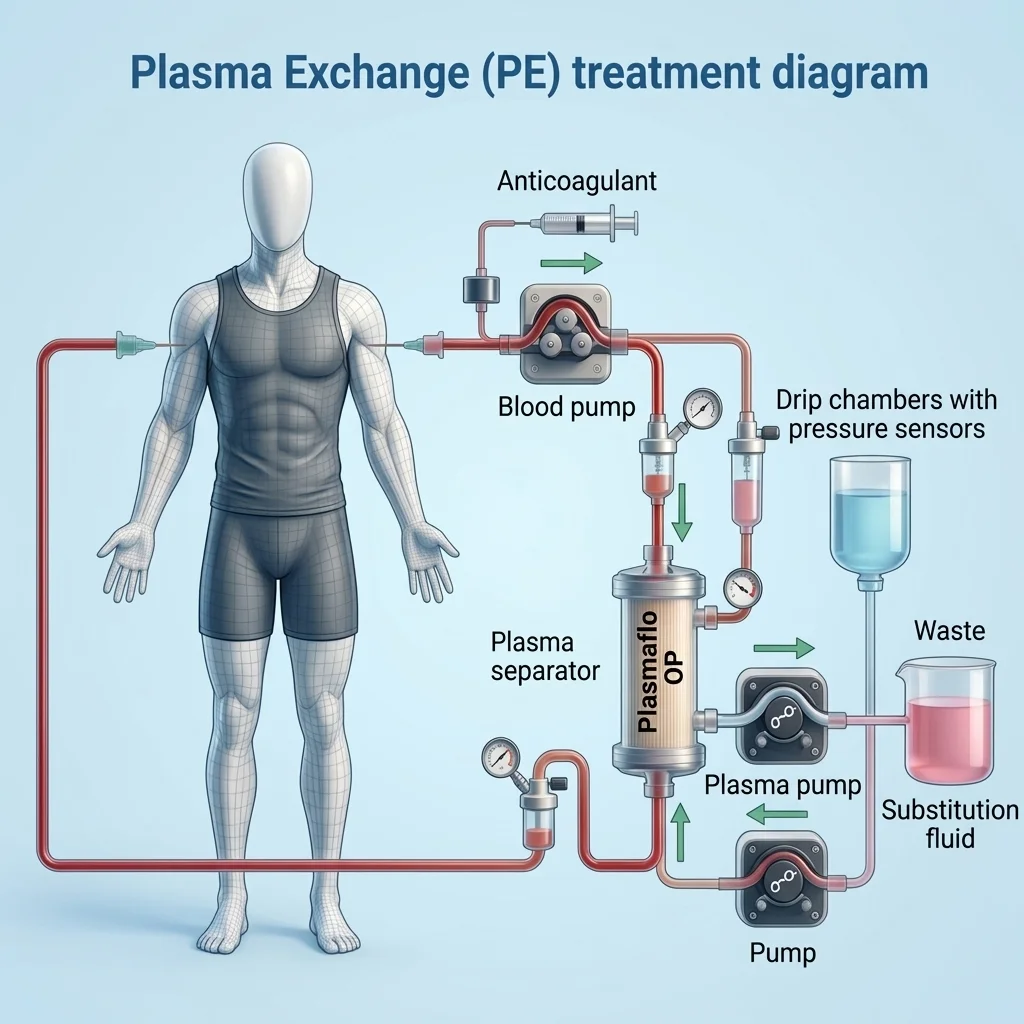
Plasma exchange is a procedure in which blood is removed from the body and passed through a specialised machine. The machine separates plasma from the blood cells.

The plasma is removed and replaced with a fluid such as albumin solution or donor plasma. The remaining blood cells are then returned to the patient.

The procedure is also known as plasmapheresis, although the terms are sometimes used differently. Plasmapheresis refers to the separation or removal of plasma, while therapeutic plasma exchange specifically involves removing plasma and replacing it with another fluid.

The treatment usually takes several hours, and the number of sessions depends on the underlying condition and the patient’s response.

How Does Plasma Exchange Work?

The process involves several steps:

  1. Blood is removed through intravenous access.
  2. A specialised machine separates plasma from blood cells.
  3. The patient’s plasma is removed.
  4. Replacement fluid is added to the blood.
  5. Blood cells and replacement fluid are returned to the patient.

The procedure does not directly remove red blood cells or platelets as its primary purpose. Instead, it targets substances circulating within the plasma.

Plasma exchange may remove:

  • Harmful antibodies
  • Immune complexes
  • Abnormal proteins
  • Certain toxins
  • Other disease-associated substances

Because the procedure removes both harmful and beneficial plasma components, doctors carefully monitor patients during treatment.

When Is Plasma Exchange Recommended?

Plasma exchange is not a routine treatment for most illnesses. It is considered when there is evidence that removing substances from the plasma can improve the patient’s condition.

Doctors may recommend it when:

  • A harmful antibody is contributing to disease
  • Abnormal proteins are interfering with normal body functions
  • The condition is severe or rapidly progressing
  • Conventional treatment is not working quickly enough
  • The procedure is recognised as an effective treatment for a specific condition

The decision depends on the diagnosis, severity of illness, treatment alternatives, and overall health of the patient.

Conditions That May Require Plasma Exchange

Several serious conditions may be treated with therapeutic plasma exchange.

Thrombotic Thrombocytopenic Purpura (TTP)

TTP is a rare but potentially life-threatening blood disorder in which small blood clots form throughout the body’s blood vessels.

These clots can consume platelets and damage organs such as the brain and kidneys. Patients may develop a dangerously low platelet count, along with symptoms such as bruising, bleeding, confusion, fever, or weakness.

Plasma exchange is a critical treatment for acquired TTP because it helps remove harmful antibodies and replaces deficient plasma proteins.

Guillain-Barré Syndrome

Guillain-Barré syndrome is a neurological condition in which the immune system attacks peripheral nerves.

It can cause:

  • Weakness
  • Tingling or numbness
  • Difficulty walking
  • Loss of muscle strength
  • Problems with breathing in severe cases

Plasma exchange can remove antibodies involved in the immune response and is an established treatment option for Guillain-Barré syndrome.

Myasthenia Gravis

Myasthenia gravis affects communication between nerves and muscles. In some patients, the immune system produces antibodies that interfere with normal muscle function.

Plasma exchange may be used for severe worsening of symptoms or myasthenic crisis, particularly when rapid improvement is required.

It can temporarily reduce circulating antibodies and improve muscle strength.

Chronic Inflammatory Demyelinating Polyneuropathy

Chronic inflammatory demyelinating polyneuropathy (CIDP) is an immune-mediated neurological disorder affecting peripheral nerves.

Patients may experience:

  • Progressive weakness
  • Difficulty walking
  • Numbness
  • Tingling
  • Reduced reflexes

Plasma exchange may be considered when appropriate, particularly when other treatments do not provide sufficient control.

Certain Autoimmune Disorders

Some autoimmune conditions involve antibodies or immune substances circulating in the bloodstream.

In selected severe cases, plasma exchange may be used to reduce the concentration of these harmful substances. It is generally used alongside other treatments that address the underlying immune disorder.

Conditions Where Plasma Exchange May Be Considered

Beyond established indications, specialists may consider the plasma exchange procedure for selected patients with other serious conditions.

Examples may include:

  • Certain forms of haemolytic uraemic syndrome
  • Some autoimmune neurological conditions
  • Selected kidney disorders
  • Certain complications involving organ transplantation
  • Some severe antibody-mediated conditions

However, the evidence supporting the procedure varies between conditions. Doctors therefore assess each patient individually rather than recommending plasma exchange solely because a disease is associated with abnormal antibodies.

How Is the Need for Plasma Exchange Determined?

Before treatment, doctors perform a detailed assessment.

This may include:

Blood Tests

Blood tests help evaluate blood cell levels, kidney function, liver function, electrolytes, and disease-specific markers.

Antibody Testing

When an autoimmune condition is suspected, doctors may test for specific antibodies associated with the disease.

Disease Assessment

The medical team evaluates the severity of symptoms and whether the condition is progressing rapidly.

Treatment History

Doctors consider whether medications, immunotherapy, intravenous immunoglobulin, or other treatments have already been tried.

The results help determine whether plasma exchange is appropriate and how frequently it should be performed.

What Happens During the Procedure?

Patients are connected to an apheresis machine through suitable intravenous access. Blood is gradually circulated through the machine, where plasma is separated from blood cells.

Replacement fluid is then combined with the patient’s blood cells before the blood is returned.

A single session may take several hours. Some patients need only a few sessions, while others require repeated treatments depending on their condition.

Medical staff monitor blood pressure, heart rate, symptoms, and blood chemistry throughout the procedure.

Possible Side Effects and Risks

Plasma exchange is generally considered safe when performed by trained specialists, but complications can occur.

Possible side effects include:

  • Low blood pressure
  • Dizziness
  • Nausea
  • Feeling cold
  • Tingling or numbness
  • Allergic reactions
  • Changes in calcium levels
  • Bleeding or infection related to vascular access

Some patients may feel tired after treatment.

Because plasma exchange can remove useful proteins as well as harmful substances, patients require appropriate monitoring before, during, and after treatment.

Does Plasma Exchange Cure the Underlying Disease?

Plasma exchange does not necessarily cure the underlying condition.

Instead, it may rapidly reduce harmful substances in the bloodstream and control serious symptoms. In many cases, it is combined with medications or other therapies designed to prevent the body from producing the harmful antibodies or proteins again.

For example, patients with autoimmune conditions may require immunosuppressive treatment alongside plasma exchange.

What Is the Difference Between Plasma Exchange and Blood Transfusion?

These procedures have different purposes.

A blood transfusion provides blood components such as red blood cells, platelets, or plasma to a patient.

Plasma exchange, on the other hand, removes a patient’s plasma and replaces it with a suitable replacement fluid.

The treatment chosen depends on the patient’s medical condition and the specific blood component or substance that needs to be addressed.

Final Thoughts

Plasma exchange is an advanced treatment that can play an important role in managing certain serious blood, neurological, and autoimmune conditions. By removing harmful substances from plasma and replacing the removed fluid, the procedure can provide rapid improvement in carefully selected patients. 

Conditions such as TTP, Guillain-Barré syndrome, myasthenia gravis, and CIDP may benefit from this specialised approach.

In Pakistan, specialised institutions such as NIBD contribute to the diagnosis and management of complex blood and haematological conditions, helping patients access expert care and advanced treatment options when required.

FAQs

What is plasma exchange used for?

Plasma exchange is used to remove harmful antibodies, abnormal proteins, immune complexes, or other substances from the bloodstream in selected medical conditions.

Is plasma exchange the same as plasmapheresis?

The terms are often used interchangeably, but technically plasmapheresis refers to separating or removing plasma, while plasma exchange involves removing plasma and replacing it with another fluid.

How long does plasma exchange take?

A session generally takes several hours, although the exact duration depends on the patient’s condition, vascular access, and treatment plan.

Is plasma exchange painful?

The procedure itself is generally not painful, although patients may experience discomfort when intravenous access is established. Some people may experience temporary dizziness, chills, tingling, or nausea.

How many plasma exchange sessions are needed?

The number varies depending on the condition and response to treatment. Some patients require only a few sessions, while others may need repeated treatments.

Can plasma exchange be used for blood disorders?

Yes. Plasma exchange is particularly important in certain blood disorders, including acquired TTP, where urgent treatment may be necessary to remove harmful antibodies and restore important plasma components.

Does plasma exchange permanently cure autoimmune diseases?

Not necessarily. It can provide rapid removal of harmful antibodies, but additional medication or treatment may be required to control the underlying immune problem and prevent recurrence.