

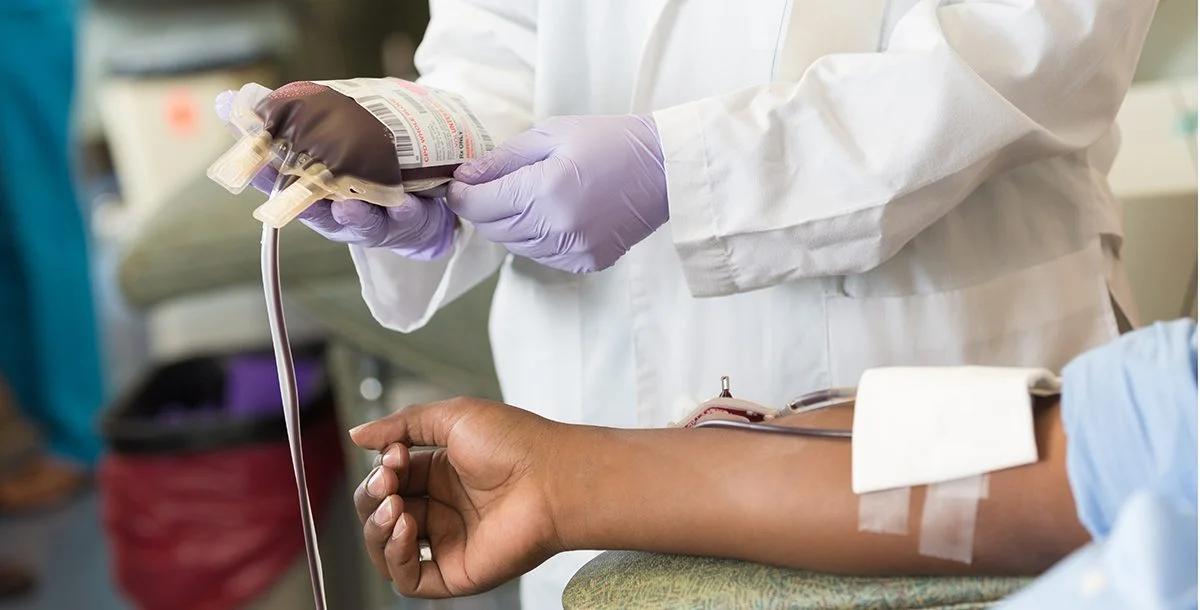
Blood donation saves millions of lives every year by helping patients undergoing surgeries, cancer treatments, trauma care, and chronic disease management. Hospitals and blood banks rely heavily on voluntary donors to maintain a safe and stable blood supply.
Before donating, many people want to understand the blood donation requirements, eligibility criteria, and how often they can safely donate blood or platelets. Since different types of donations remove different blood components from the body, the recommended donation interval can vary.
Whether you are a first-time donor or a regular volunteer, understanding blood donation guidelines can help you donate safely and confidently. In this guide, we’ll explain how often you can donate blood or platelets, who is eligible, recovery times, safety recommendations, and the benefits of blood donation.
Blood donation is generally safe for healthy adults when proper screening and donation intervals are followed.
Understanding Blood and Platelet Donation
There are different types of blood donations, and each serves a unique medical purpose.
Whole Blood Donation
Whole blood donation is the most common type of donation. During this process, approximately one pint of blood is collected.
Whole blood contains:
- Red blood cells
- White blood cells
- Platelets
- Plasma
Doctors use whole blood or its separated components to treat patients experiencing blood loss, anaemia, surgeries, or trauma.
Platelet Donation
Platelets are tiny blood components that help the body form clots and stop bleeding.
Platelet donation, also called plateletpheresis, uses a machine to collect platelets while returning other blood components back to the donor.
Platelet donations are especially important for:
- Cancer patients
- Bone marrow transplant patients
- Trauma patients
- Individuals with bleeding disorders
Platelets have a short shelf life, so hospitals constantly need donors.
Blood Donation Requirements
Before donating, donors must meet certain blood donation eligibility criteria to ensure safety for both the donor and recipient.
Age Requirements
Most blood donation centres require donors to be at least:
- 17 years old in many countries
- Sometimes 16 years old with parental consent
Upper age limits may vary depending on health condition and donation centre policies.
Weight Requirements
Most organisations require donors to weigh at least:
- 110 pounds (50 kg)
This helps ensure the body can safely tolerate the blood volume removed during donation.
Haemoglobin Levels
Haemoglobin is the protein in red blood cells that carries oxygen.
Low haemoglobin levels may indicate anaemia, which can temporarily disqualify someone from donating.
A quick finger-prick test is usually performed before donation.
Minimum haemoglobin levels are typically around:
- 12.5 g/dL for women
- 13.0 g/dL for men
Requirements may vary by country and organisation.
General Health Conditions
To qualify for safe blood donation, donors should:
- Feel healthy on donation day
- Be free from active infections
- Have stable blood pressure
- Avoid fever or flu symptoms
Some chronic conditions may still allow donation if properly managed.
Temporary Restrictions
Certain situations may temporarily prevent blood donation.
Common temporary restrictions include:
- Recent tattoos or piercings
- Pregnancy
- Recent surgery
- Antibiotic use
- Travel to high-risk areas
- Recent illness
- Low iron levels
Donation centres review medical history carefully before approval.
How Often Can You Donate Blood?
The blood donation interval depends on the type of donation performed.
Whole Blood Donation Frequency
Most healthy adults can donate whole blood every:
- 56 days (8 weeks)
This allows the body enough time to replace lost red blood cells and restore iron levels safely.
The body replaces plasma quickly, but red blood cell recovery takes longer.
Double Red Cell Donation
Double red cell donation removes only red blood cells while returning plasma and platelets to the donor.
Because more red blood cells are collected, donors usually need to wait:
- 112 days (16 weeks)
before donating again.
Plasma Donation Frequency
Plasma can often be donated more frequently because the body replaces plasma rapidly.
Many centres allow plasma donation:
- Every 28 days
- Sometimes more frequently depending on regulations
How Often Can You Donate Platelets?
Many people ask, “How often can you donate platelets?”
Since platelets regenerate quickly, platelet donation frequency is higher than whole blood donation.
Most healthy donors can donate platelets:
- Every 7 days
- Up to 24 times per year
Platelet donation is considered safe when performed according to approved blood donation guidelines.
Blood Donation Recovery Time
Recovery time after blood donation varies depending on the donation type and individual health.
Recovery After Whole Blood Donation
Most donors recover within:
- 24 to 48 hours
However, red blood cell levels may take several weeks to fully normalise.
To support recovery:
- Drink extra fluids
- Eat iron-rich foods
- Avoid strenuous exercise temporarily
- Rest if feeling tired
Recovery After Platelet Donation
Platelet donation recovery time is usually shorter because red blood cells are returned to the body.
Most donors feel normal within:
- A few hours to one day
Mild fatigue or bruising at the needle site may occur temporarily.
Benefits of Blood Donation
There are many benefits of blood donation for both recipients and donors.
Benefits for Patients
Blood donation helps save lives in situations such as:
- Emergency surgeries
- Cancer treatment
- Severe injuries
- Childbirth complications
- Blood disorders
- Organ transplants
A single blood donation can potentially help multiple patients.
Benefits for Donors
Donors may also experience personal benefits, including:
- Free basic health screening
- Awareness of blood pressure and haemoglobin levels
- Sense of community contribution
- Possible improvement in iron balance for some individuals
Many donors also report emotional satisfaction from helping others.
Blood Donation Rules and Safety Guidelines
Modern blood donation follows strict safety procedures to protect both donors and recipients.
Safe Blood Donation Practices
Donation centres use:
- Sterile, single-use needles
- Professional medical screening
- Blood testing for infections
- Donor monitoring during and after donation
These practices make safe blood donation highly reliable.
Tips Before Donating Blood
Before donating:
- Stay hydrated
- Eat a healthy meal
- Avoid alcohol
- Get adequate sleep
- Bring identification if required
Proper preparation can reduce dizziness and fatigue.
Tips After Blood Donation
After donation:
- Rest briefly
- Drink fluids
- Avoid heavy lifting
- Eat nutritious foods
- Monitor for unusual symptoms
Most side effects are mild and temporary.
Who Should Avoid Blood Donation?
Some individuals may not qualify for blood donation due to health risks.
Permanent or long-term restrictions may include:
- Certain blood-borne infections
- Serious heart conditions
- Severe anaemia
- Some cancers
- Uncontrolled chronic diseases
Donation centres follow strict blood donor eligibility standards to maintain safety.
Why Regular Blood Donation Matters
Blood shortages can happen quickly during emergencies, accidents, natural disasters, or increased hospital demand.
Regular donors help ensure hospitals always have enough blood available for:
- Trauma patients
- Surgical procedures
- Premature babies
- Chemotherapy patients
- Individuals with blood disorders
Platelet donations are especially critical because platelets expire within a few days.
Final Thoughts
Understanding blood donation requirements and donation intervals helps ensure a safe and positive experience for both donors and patients. While whole blood donations typically require longer recovery periods, platelet donations can often be performed more frequently due to faster platelet regeneration.
Following proper blood donation guidelines, maintaining good health, and donating responsibly can make a life-saving difference for people in need. Organisations such as the National Institute of Blood Disease & Bone Marrow Transplantation (NIBD) continue to play an important role in promoting safe blood donation awareness, advanced transfusion services, and patient care across Pakistan.
If you meet the blood donor eligibility criteria, consider becoming a regular donor and helping save lives in your community.
FAQs
How often can you donate blood?
Most healthy adults can donate whole blood every 56 days, or approximately every eight weeks, depending on their overall health, haemoglobin levels, and local blood donation guidelines. This recovery period allows the body enough time to replace lost red blood cells and safely restore normal iron levels before the next donation.
How often can you donate platelets?
Platelets can usually be donated every seven days, up to 24 times each year, because the body replaces platelets much faster than red blood cells after donation. Donation centres carefully monitor platelet counts and overall health to ensure platelet donation remains safe and comfortable for regular donors.
What are the main blood donation requirements?
Blood donation requirements generally include meeting minimum age and weight limits, maintaining healthy haemoglobin levels, and being free from active illness, infection, or certain medical restrictions. Donors also go through a medical screening process that reviews health history, medications, and overall donor eligibility before approval.
Is blood donation safe?
Yes, blood donation is generally very safe when performed at certified donation centres that follow strict screening, sterilisation, and donor safety protocols. Sterile single-use needles are used for every donor, and trained medical staff carefully monitor the process to minimise risks and ensure a safe donation experience.
How long does blood donation recovery take?
Most individuals recover from whole blood donation within 24 to 48 hours, while platelet donation recovery is often faster and may only take several hours to one day. Drinking extra fluids, eating iron-rich foods, and avoiding strenuous physical activity can help support quicker recovery after donation.
Can you donate blood if you have low iron levels?
Blood donation centres check haemoglobin levels before every donation to ensure donor safety. If iron levels or haemoglobin are too low, donation may be temporarily postponed until levels improve. Maintaining an iron-rich diet and following medical advice can help restore eligibility for future donations.


