

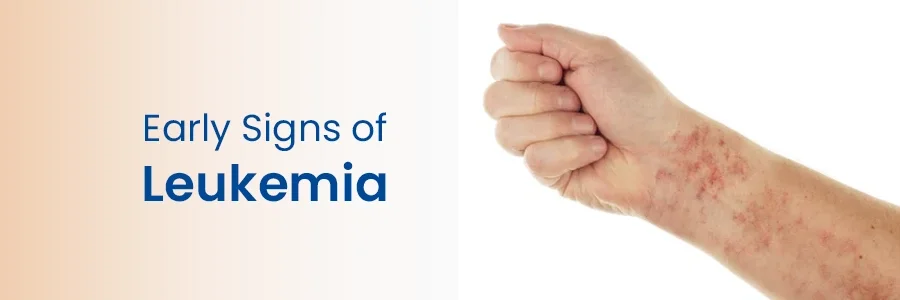
Leukaemia is a type of blood cancer that affects the bone marrow and blood-forming tissues. It develops when abnormal white blood cells multiply uncontrollably, interfering with the production of healthy blood cells. Because many leukaemia symptoms can resemble common illnesses such as the flu, anaemia, or viral infections, the disease may go unnoticed in its early stages. Recognising warning signs early can lead to faster diagnosis, earlier treatment, and better outcomes for patients.
This guide explains the early signs, the different forms of the disease, how it is diagnosed, and the treatment options available today.
What Is Leukaemia?
Leukaemia begins in the bone marrow, where blood cells are produced. As abnormal cells accumulate, they crowd out healthy red blood cells, white blood cells, and platelets. This disruption can affect the body’s ability to fight infections, carry oxygen, and control bleeding.
The disease can affect people of all ages, although certain forms are more common in children while others occur primarily in adults. Some types progress rapidly and require immediate medical attention, while others develop more slowly over time.
Understanding the Early Signs of Leukaemia
One of the challenges of identifying leukaemia is that its early symptoms are often vague and easy to dismiss. Many people initially attribute them to stress, fatigue, seasonal illnesses, or aging.
Some of the most common early signs of leukaemia include:
- Persistent fatigue and weakness
- Frequent infections
- Easy bruising
- Unexplained bleeding
- Pale skin
- Fever or chills
- Swollen lymph nodes
- Unexplained weight loss
- Bone or joint discomfort
- Night sweats
While these symptoms do not always indicate leukaemia, persistent or worsening symptoms should never be ignored.
Persistent Fatigue and Weakness
Fatigue is often one of the earliest warning signs. Unlike ordinary tiredness, leukaemia-related fatigue does not improve with rest.
As abnormal blood cells take over the bone marrow, the body may produce fewer red blood cells, resulting in anemia. This reduces oxygen delivery throughout the body and can cause:
- Constant exhaustion
- Reduced stamina
- Difficulty concentrating
- Weakness during routine activities
Many patients report feeling unusually drained even after a full night’s sleep.
Frequent Infections
Healthy white blood cells help protect the body from infections. In leukaemia , these cells become abnormal and lose their ability to function properly.
As a result, individuals may experience:
- Recurrent colds
- Frequent respiratory infections
- Persistent sore throats
- Slow recovery from illnesses
- Repeated bacterial infections
Frequent infections are among the most important blood cancer symptoms that warrant medical evaluation.
Easy Bruising and Unusual Bleeding
Leukaemia can reduce platelet production, making it difficult for the blood to clot normally.
Warning signs may include:
- Frequent nosebleeds
- Bleeding gums
- Easy bruising after minor bumps
- Prolonged bleeding from cuts
- Tiny red or purple spots under the skin (petechiae)
These can be significant signs of blood cancer, especially when they occur without a clear cause.
Fever and Night Sweats
Many individuals experience recurring fevers without an obvious infection.
Symptoms may include:
- Low-grade fevers
- Chills
- Excessive sweating during sleep
- Waking up with soaked bedding
Because the immune system becomes compromised, the body may struggle to regulate infection and inflammation effectively.
Swollen Lymph Nodes
Cancer cells can accumulate in lymph nodes, causing them to enlarge.
Common locations include:
- Neck
- Underarms
- Groin
Swollen lymph nodes are often painless and may remain enlarged for weeks or months. While enlarged lymph nodes can occur with infections, persistent swelling should be assessed by a healthcare professional.
Bone and Joint Pain
The bone marrow is the primary site where cancer develops. As abnormal cells build up inside the marrow, pressure can increase within the bones.
Patients may experience:
- Aching bones
- Joint discomfort
- Tenderness in the arms or legs
- Back pain
Bone pain is particularly common in some forms of acute leukaemia and should not be overlooked when accompanied by other symptoms.
Unexplained Weight Loss and Loss of Appetite
Unexpected weight loss is a common warning sign of many cancers, including leukaemia.
Individuals may notice:
- Reduced appetite
- Feeling full quickly
- Ongoing weight loss despite normal eating habits
- General decline in energy levels
When unexplained weight loss occurs alongside fatigue or recurrent infections, medical evaluation becomes especially important.
Types of Leukaemia
There are several major types of leukaemia, each with different characteristics and treatment approaches.
Acute Lymphoblastic Leukaemia (ALL)
ALL develops rapidly and primarily affects immature lymphocytes. It is the most common form of leukemia in children but can also occur in adults.
Acute Myeloid Leukaemia (AML)
AML progresses quickly and affects myeloid cells. It is one of the most common forms of leukemia in adults.
Chronic Lymphocytic Leukaemia (CLL)
CLL develops slowly and may not cause noticeable symptoms for years. It mainly affects older adults.
Chronic Myeloid Leukaemia (CML)
CML progresses gradually and often remains undetected during its early stages before becoming more aggressive.
Acute Leukaemia Symptoms
Because acute forms of leukemia progress rapidly, symptoms often appear suddenly and worsen quickly.
Common acute leukaemia symptoms may include:
- Severe fatigue
- Frequent infections
- Easy bleeding
- Fever
- Bone pain
- Shortness of breath
- Swollen lymph nodes
- Rapid weight loss
Prompt medical attention is essential because acute leukemia can become life-threatening if left untreated.
How Leukaemia Is Diagnosed
Early detection plays a critical role in improving outcomes. The process of leukaemia diagnosis usually begins with a detailed medical history and physical examination.
Common diagnostic tests include:
Complete Blood Count (CBC)
A CBC evaluates red blood cells, white blood cells, and platelets. Abnormal counts may suggest leukemia.
Peripheral Blood Smear
This test examines blood cells under a microscope to identify abnormal cell shapes and immature cells.
Bone Marrow Biopsy
A bone marrow sample helps confirm the diagnosis and determine the specific type of leukemia.
Genetic and Molecular Testing
These tests identify genetic changes within leukemia cells and help guide treatment decisions.
Leukaemia Treatment Options
Modern leukaemia treatment approaches vary depending on the patient’s age, overall health, and specific leukemia type.
Common treatment options include:
Chemotherapy
Chemotherapy uses medications to destroy cancer cells and remains a cornerstone of treatment for many forms of leukemia.
Targeted Therapy
These medications specifically target genetic abnormalities within leukemia cells while minimising damage to healthy cells.
Immunotherapy
Immunotherapy helps the immune system recognise and attack cancer cells more effectively.
Stem Cell or Bone Marrow Transplant
In some cases, a transplant may replace diseased bone marrow with healthy blood-forming stem cells.
Radiation Therapy
Although used less frequently, radiation may be recommended in specific situations.
Treatment plans are often highly individualised and may involve a combination of therapies.
When Should You See a Doctor?
Many leukaemia symptoms overlap with less serious health conditions. However, it is important to seek medical advice if you experience:
- Persistent fatigue
- Frequent infections
- Unexplained bruising or bleeding
- Swollen lymph nodes
- Ongoing fever
- Night sweats
- Bone pain
- Unexpected weight loss
Early medical evaluation can help identify the cause and allow timely intervention if necessary.
Final Thoughts
Leukaemia symptoms often begin subtly that are easy to dismiss, but paying attention to these warning signs can make a significant difference. Persistent fatigue, unexplained bruising, frequent infections, swollen lymph nodes, and unexplained weight loss should never be ignored. Early detection allows doctors to begin treatment sooner, improving the chances of successful outcomes and long-term disease management.
For individuals seeking specialised blood cancer care in Pakistan, the National Institute of Blood Disease & Bone Marrow Transplantation (NIBD) provides advanced diagnostic services, expert treatment options, and comprehensive support for patients dealing with leukemia and other complex blood disorders.
FAQs
What are the earliest signs of leukaemia?
Early signs may include fatigue, frequent infections, easy bruising, unexplained bleeding, swollen lymph nodes, fever, night sweats, and unexplained weight loss.
Can leukaemia symptoms appear suddenly?
Yes. Acute forms of leukemia can develop rapidly, causing symptoms to appear and worsen over a short period of time.
Is fatigue always a sign of leukaemia?
No. Fatigue can result from many conditions. However, persistent fatigue accompanied by other symptoms should be medically evaluated.
How is leukaemia diagnosed?
Doctors typically use blood tests, bone marrow examinations, and genetic testing to confirm the diagnosis and determine the specific type of leukemia.
Can leukaemia be treated successfully?
Many forms of leukemia can be effectively treated using chemotherapy, targeted therapy, immunotherapy, and stem cell transplantation. Outcomes depend on the type of leukemia and how early treatment begins.
Who is at risk of developing leukaemia?
Leukemia can affect anyone, but risk factors may include age, certain genetic conditions, previous cancer treatments, smoking, and exposure to specific chemicals or radiation.


