

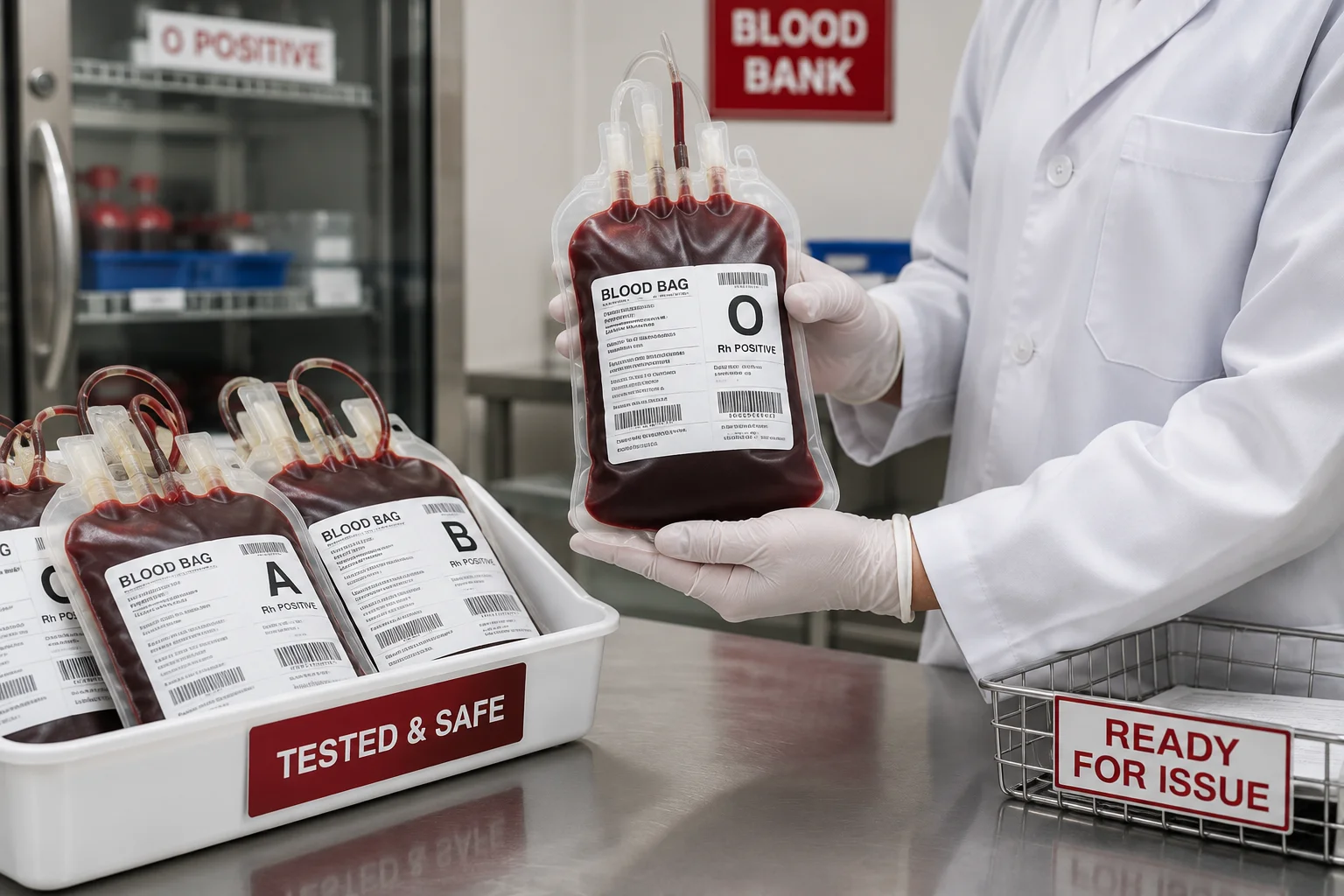
In medical emergencies, access to blood can mean the difference between life and death. Whether responding to severe injuries, major surgeries, childbirth complications, or critical illnesses, healthcare providers often rely on a well-equipped blood bank to ensure that patients receive timely treatment. Blood banks play a crucial role in collecting, testing, storing, and supplying blood products that are essential for emergency care. Without these services, many lifesaving procedures would not be possible.
Understanding how blood banks operate and why they are so important can help individuals appreciate the value of donating blood and supporting healthcare systems that depend on a safe and reliable blood supply.
What Is a Blood Bank?
A blood bank is a specialised facility that collects, processes, tests, stores, and distributes blood and blood components for medical use.
Blood is separated into different components, including:
- Red blood cells
- Platelets
- Plasma
- Cryoprecipitate
Each component serves a specific purpose in treating patients. By separating blood into its individual parts, healthcare providers can ensure that patients receive exactly what they need.
Modern blood banks follow strict safety standards to maintain the quality and safety of blood products before they are provided to hospitals and healthcare facilities.
Why Blood Banks Are Essential in Emergency Care
Emergencies often occur without warning. Road accidents, natural disasters, major surgeries, and severe medical conditions can result in sudden blood loss that requires immediate intervention.
Blood banks help healthcare providers by:
- Maintaining a ready supply of blood products
- Supporting emergency surgeries
- Assisting trauma care teams
- Managing severe bleeding cases
- Supporting cancer treatment patients
- Providing blood for childbirth complications
Without a reliable blood supply, many emergency treatments would be delayed, increasing the risk of serious complications or death.
Situations That Require Immediate Blood Support
Several medical emergencies depend on rapid access to blood products.
Trauma and Accident Victims
Severe injuries from road accidents, workplace incidents, or falls can cause massive blood loss within minutes.
Patients may require:
- Red blood cell transfusions
- Plasma replacement
- Platelet support
Rapid access to blood products helps stabilise patients until definitive treatment can be provided.
Major Surgeries
Complex surgeries often involve a risk of significant blood loss.
Examples include:
- Cardiac surgery
- Organ transplantation
- Orthopaedic procedures
- Cancer surgery
Blood products allow surgeons to perform these procedures more safely.
Pregnancy and Childbirth Complications
Postpartum haemorrhage remains one of the leading causes of maternal mortality worldwide.
Women experiencing severe bleeding during or after childbirth may require emergency transfusions to prevent life-threatening complications.
Cancer Treatment
Many cancer patients experience low blood counts due to chemotherapy or the disease itself.
Blood banks support cancer care through ongoing blood transfusion services that help patients maintain adequate blood cell levels during treatment.
The Blood Donation Process
Every unit of blood used in emergency care begins with a voluntary donor.
The process of blood donation is generally simple, safe, and takes less than an hour.
Typical steps include:
- Registration and medical screening
- Health history review
- Physical assessment
- Blood collection
- Recovery and refreshments
A single donation can potentially help multiple patients because different blood components can be separated and used individually.
The Importance of Blood Testing and Safety
Patient safety is a top priority for every blood bank.
Before blood can be used, it undergoes extensive testing for:
- Blood type compatibility
- Infectious diseases
- Hepatitis B and C
- HIV
- Syphilis
- Other transfusion-transmissible infections
These screening measures help ensure a safe blood transfusion and reduce the risk of complications for recipients.
Strict quality control procedures are followed throughout the collection, processing, and storage process.
Blood Bank Services Beyond Emergencies
Although emergency care is a major focus, modern blood bank services support many other areas of healthcare.
These services include:
Supporting Chronic Disease Management
Patients with conditions such as thalassemia, sickle cell disease, and aplastic anemia often require regular transfusions.
Assisting Surgical Departments
Hospitals depend on blood banks to maintain adequate supplies for planned surgical procedures.
Supporting Intensive Care Units
Critically ill patients may require blood products as part of their treatment and recovery.
Managing Rare Blood Types
Blood banks maintain donor registries and specialised inventories for patients with rare blood groups.
These functions make blood banks a critical component of modern healthcare systems.
The Role of Blood Donation Centers
A blood donation center serves as the first step in maintaining a stable blood supply.
These centres help by:
- Recruiting donors
- Conducting health screenings
- Collecting blood safely
- Educating the public
- Organising awareness campaigns
Regular donor participation is essential because blood products have limited shelf lives. Continuous donations help ensure that supplies remain available when emergencies occur.
Blood Donation Benefits
Many people donate blood simply to help others, but there are also several recognised blood donation benefits.
These may include:
- Contributing to community health
- Supporting emergency care services
- Encouraging regular health monitoring
- Providing personal satisfaction from helping save lives
Most importantly, a single donation can have a direct impact on patients facing critical medical situations.
Challenges Faced by Blood Banks
Maintaining a consistent blood supply is not always easy.
Common challenges include:
- Seasonal shortages
- Low donor participation
- Increased demand during emergencies
- Limited availability of rare blood groups
- Transportation and storage requirements
Public awareness and regular donor recruitment are essential to overcoming these challenges and ensuring uninterrupted access to blood products.
How Technology Has Improved Blood Banking
Advances in medical technology have significantly improved blood banking practices.
Modern innovations include:
- Automated blood testing
- Improved storage systems
- Digital donor databases
- Enhanced blood matching techniques
- Advanced infection screening methods
These developments help improve efficiency, safety, and patient outcomes while reducing the risk of transfusion-related complications.
Why Community Participation Matters
The effectiveness of any blood bank depends on the willingness of individuals to donate regularly.
Communities can support blood banking efforts by:
- Becoming voluntary donors
- Encouraging family and friends to donate
- Participating in awareness campaigns
- Supporting local blood drives
- Promoting accurate information about blood donation
Every donation contributes to a stronger healthcare system and helps ensure that lifesaving blood is available when needed most.
Final Thoughts
Blood banks are among the most important yet often overlooked components of emergency healthcare. They provide the essential blood products needed to treat trauma victims, surgical patients, mothers experiencing childbirth complications, cancer patients, and individuals living with chronic blood disorders. Through careful collection, testing, storage, and distribution, blood banks help save countless lives every day.
In Pakistan, institutions such as NIBD play a significant role in advancing blood banking services, supporting transfusion medicine, and ensuring that patients have access to safe, high-quality blood products when they need them most.
FAQs
Why are blood banks important in emergencies?
Blood banks provide immediate access to blood and blood components needed for trauma care, surgeries, severe bleeding, and other life-threatening situations.
How long can donated blood be stored?
Storage times vary by component. Red blood cells can typically be stored for several weeks, while platelets have a much shorter shelf life.
Is donating blood safe?
Yes. Blood donation is a safe and regulated procedure performed using sterile, single-use equipment.
Who can donate blood?
Eligibility requirements vary by country, but donors generally must meet minimum age, weight, and health criteria.
Why is blood testing necessary before transfusion?
Testing helps ensure compatibility and screens for infectious diseases, reducing the risk of complications during transfusion.
Can one blood donation help more than one patient?
Yes. Because donated blood can be separated into multiple components, a single donation may help several patients with different medical needs.


