

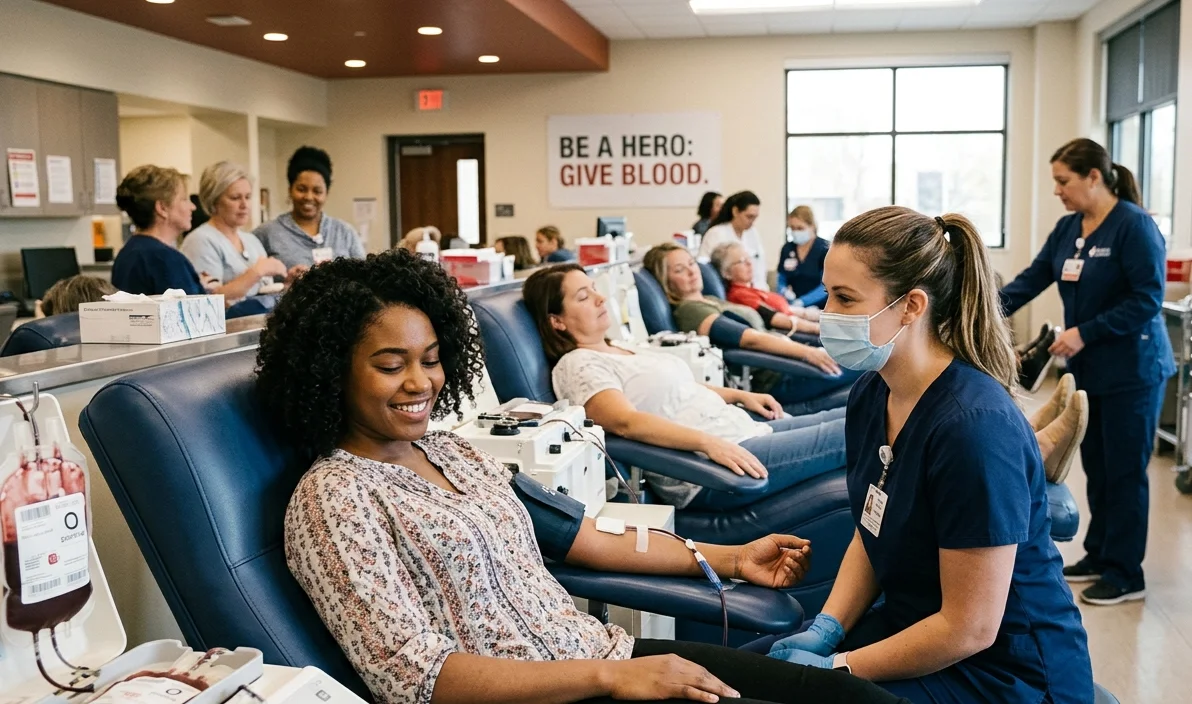
Women and blood donation play an essential role in maintaining a safe and stable blood supply, yet many women hesitate to donate due to fears, myths, and a lack of accurate medical information. Understanding the facts about female blood donation eligibility, safety guidelines, and health impacts can help break these barriers and encourage more women to become regular donors.
Despite being medically eligible, due to many misconceptions about blood donation, women avoid it, fearing weakness, anaemia, menstruation, infertility, or long-term health risks. In reality, blood donation is generally safe for healthy women when proper screening and guidelines are followed. It can also support better awareness of personal health, especially iron levels and overall wellness.
In this guide, we will address common myths, explain biological factors like the menstrual cycle, discuss iron deficiency and donor health, and highlight safe blood donation for women, along with practical tips to encourage participation.
Common Misconceptions About Women and Blood Donation
One of the biggest barriers to women and blood donation is misinformation and the question, “Can women donate blood?” These misconceptions are often passed socially and can discourage women even when they are fully eligible to donate.
Myth 1: Women become weak after donating blood
A common belief in blood donation myths for women is that donating blood permanently weakens the body. In reality, the body replaces plasma within 24–48 hours, and red blood cells are gradually restored over a few weeks. With proper nutrition, hydration, and rest, most women recover quickly without long-term weakness.
Temporary tiredness after donation is normal, but it does not mean permanent health damage. Many regular female donors continue donating safely for years.
Myth 2: Blood donation affects fertility or pregnancy
Another widespread misconception is that blood donation affects fertility or reproductive health. There is no scientific evidence supporting this belief. Blood donation does not interfere with hormones, ovaries, uterus, or future pregnancy outcomes.
Women who meet eligibility criteria can safely donate blood without any impact on fertility or maternal health.
Myth 3: Women are more likely to faint after donating
Some believe women cannot tolerate blood donation as well as men. While fainting can happen in rare cases, it is usually due to anxiety, dehydration, or low iron, not gender.
Proper hydration, eating before donation, and following safe blood donation guidelines significantly reduce the risk of dizziness or fainting.
Myth 4: Blood donation reduces long-term energy levels
Another misconception is that donation permanently reduces energy. In fact, energy levels return to normal once the body replenishes blood components. Maintaining a balanced diet rich in iron and vitamins helps restore energy faster.
Menstrual Cycle and Blood Donation
A common question is whether women and blood donation are compatible during menstruation. The answer depends on individual health status.
Women can donate blood during their menstrual cycle if they feel well and have normal haemoglobin levels. Menstruation itself is not a restriction. However, if a woman experiences heavy bleeding, fatigue, cramps, or dizziness, it is better to postpone donation until she feels stronger.
Blood donation during periods is ultimately based on comfort and female blood donation eligibility, not menstruation alone. Donation centers always check hemoglobin levels before allowing donations to ensure safety.
It is also important to note that women who already have low iron levels may be advised to wait, as menstruation can further reduce iron stores temporarily.
Iron Levels and Donor Health
Iron levels are one of the most important factors in women’s blood donor health. Women are naturally more prone to iron deficiency due to menstruation, pregnancy, and dietary habits.
Iron is essential for producing hemoglobin, which carries oxygen in the blood. When iron levels are low, a person may feel tired, weak, or dizzy, making donation temporarily unsafe.
Iron Deficiency and Blood Donation
Iron deficiency and blood donation are closely monitored because donating blood removes a small amount of iron from the body. If iron stores are already low, donation may be deferred until levels improve.
Common symptoms of low iron include:
- Constant fatigue
- Weakness or low stamina
- Headaches
- Pale skin
- Shortness of breath
- Difficulty concentrating
To maintain healthy iron levels, women are encouraged to consume iron-rich foods such as:
- Spinach and leafy greens
- Red meat and chicken
- Lentils and beans
- Eggs
- Fortified cereals
- Nuts and seeds
Vitamin C-rich foods like oranges and lemons also help improve iron absorption.
Regular checkups can help ensure that women remain eligible for safe blood donation.
Eligibility and Safety Guidelines
Understanding female blood donation eligibility helps women feel more confident about donating blood.
To be eligible, women should generally:
- Be in good overall health
- Meet minimum weight requirements
- Have adequate haemoglobin levels
- Be free from infections or fever
Blood donation centers also assess medical history, lifestyle factors, and recent health conditions before approval.
Temporary Restrictions for Women
Women may be temporarily deferred from donation if they:
- Are pregnant or breastfeeding
- Have recently given birth
- Are experiencing low haemoglobin or iron deficiency
- Are recovering from surgery or illness
- Are taking certain medications
These restrictions are not permanent. They are designed to protect both donor safety and blood quality.
Safe blood donation for women is always based on individual health assessment, not assumptions or gender limitations.
Benefits of Women Participating in Blood Donation
Women play a vital role in strengthening healthcare systems through voluntary blood donation, yet participation rates are often lower compared to men in many regions.
Encouraging women’s blood donation participation provides multiple benefits:
- Supports emergency surgeries and trauma care
- Helps cancer and anemia patients
- Improves maternal healthcare during childbirth complications
- Strengthens national blood supply systems
- Promotes awareness of personal health and iron levels
- Encourages preventive health checkups
Women who donate blood also become more aware of their own health status, including hemoglobin and iron levels, which can lead to healthier lifestyle choices.
In many cases, female donors also inspire family members and communities to participate in voluntary donation drives, creating a positive health impact.
Tips for Healthy Blood Donation
Following simple health practices can make donation safe and comfortable for women.
Before Donation
- Eat a balanced meal with iron-rich foods
- Drink plenty of water before arriving
- Avoid donating on an empty stomach
- Get adequate sleep the night before
- Avoid excessive caffeine or alcohol
After Donation
- Rest for at least 10–15 minutes
- Drink extra fluids to stay hydrated
- Avoid heavy exercise for 24 hours
- Eat iron-rich meals after donation
- Monitor for dizziness or fatigue
These steps help support recovery and maintain stable iron levels for future donations.
Additional Barriers Women Face in Blood Donation
Apart from myths, there are real-life barriers that reduce participation in women and blood donation.
Some of these include:
- Lack of awareness about eligibility
- Cultural or social misconceptions
- Fear of needles or pain
- Busy schedules and family responsibilities
- Concerns about anaemia or weakness
Education and awareness campaigns can play a major role in overcoming these challenges and encouraging safe participation.
Healthcare providers also recommend regular blood testing and awareness about iron levels to help women feel more confident about donation eligibility.
Final Thoughts
Women and blood donation are essential for maintaining a strong and reliable healthcare system. While myths and misconceptions still exist, scientific evidence confirms that blood donation is safe for most healthy women when proper guidelines are followed.
Organizations such as the National Institute of Blood Disease & Bone Marrow Transplantation (NIBD) continue to support safe donation practices, donor education, and advanced treatment for blood disorders, helping improve healthcare standards across the region.
If you are eligible, consider becoming a regular donor and help challenge misconceptions while contributing to life-saving care in your community.
FAQs
Can women safely donate blood?
Yes, healthy women who meet blood donation eligibility criteria can safely donate blood. Donation centers perform health screenings, including haemoglobin testing, to ensure donor safety before every donation.
Can women donate blood during their menstrual cycle?
Yes, women can usually donate blood during their periods if they feel well and have normal iron and haemoglobin levels. However, those experiencing heavy bleeding, weakness, or severe cramps may choose to wait until they feel better.
Does blood donation cause weakness in women?
Temporary tiredness can occur after donating blood, but it is usually mild and short-term. With proper hydration, rest, and iron-rich nutrition, most women recover quickly without long-term weakness.
Does blood donation affect fertility or pregnancy?
No, blood donation does not affect fertility, hormones, or future pregnancies. Women who are pregnant or breastfeeding may be temporarily deferred for safety reasons, but donation itself does not harm reproductive health.
Why are iron levels important for female blood donors?
Women are more prone to iron deficiency due to menstruation and pregnancy. Since blood donation removes a small amount of iron, donation centers check haemoglobin levels to ensure it is safe to donate.
How can women prepare for a safe blood donation?
Women can prepare by eating iron-rich foods, drinking plenty of water, getting enough sleep, and avoiding donation on an empty stomach. Following post-donation care instructions also helps support faster recovery.


