

Blood plays a vital role in carrying oxygen, fighting infections, and helping the body heal. When something affects the blood, bone marrow, or clotting system, it can lead to blood diseases, also known as haematology disorders. These conditions may affect red blood cells, white blood cells, platelets, plasma, or clotting factors.
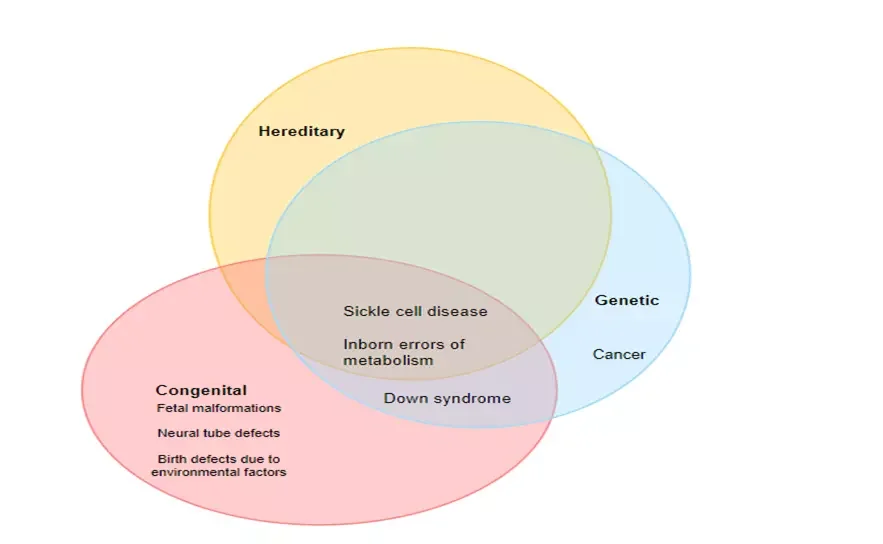
Some blood diseases are inherited, meaning they are passed down through genes from parents to children. Others are acquired later in life due to infections, autoimmune conditions, nutritional deficiencies, medications, or chronic illnesses.
Understanding the difference between inherited blood diseases and acquired blood diseases can help people recognise symptoms early and seek the right treatment. In this guide, we’ll explain the major differences, common examples, symptoms, diagnosis methods, and available treatment options for different types of blood diseases.
Blood disorders can affect red blood cells, white blood cells, platelets, or clotting proteins, and they may be genetic or develop later in life.
What Are Blood Diseases?
Blood diseases are medical conditions that affect one or more components of the blood. These disorders can interfere with the body’s ability to transport oxygen, fight infections, or control bleeding.
The main categories of blood disorders include:
- Red blood cell disorders
- White blood cell disorders
- Platelet disorders
- Bleeding and clotting disorders
Some conditions are mild and manageable, while others may become life-threatening if left untreated.
Common blood disorder symptoms include:
- Fatigue or weakness
- Pale skin
- Frequent infections
- Easy bruising
- Excessive bleeding
- Shortness of breath
- Dizziness
- Swollen lymph nodes
Symptoms vary depending on which blood component is affected.
What Are Inherited Blood Diseases?
Inherited blood diseases are genetic blood disorders passed from parents to children through abnormal genes. These conditions are usually present at birth, although symptoms may appear later in life.
Inherited disorders often affect the structure or function of blood cells or clotting factors.
Common Inherited Blood Diseases
1. Sickle Cell Disease
Sickle cell disease is one of the most well-known. It causes red blood cells to become hard and crescent-shaped instead of round.
These abnormal cells can block blood flow and break down easily, leading to:
- Severe pain episodes
- Anaemia
- Organ damage
- Increased infection risk
2. Thalassaemia
Thalassaemia affects the body’s ability to produce haemoglobin, the protein that carries oxygen in red blood cells.
Symptoms may include:
- Fatigue
- Delayed growth
- Weakness
- Bone deformities
- Severe anaemia
3. Haemophilia
Haemophilia is an inherited bleeding disorder caused by missing or low clotting factors.
People with haemophilia may experience:
- Excessive bleeding
- Easy bruising
- Joint bleeding
- Prolonged bleeding after injury or surgery
Most types of haemophilia are inherited, though rare acquired forms also exist.
4. Von Willebrand Disease
Von Willebrand disease affects blood clotting due to problems with von Willebrand factor, a clotting protein.
It is considered the most common inherited bleeding disorder.
5. Hereditary Hemolytic Anaemia
Inherited hemolytic anaemia occurs when red blood cells are destroyed faster than the body can replace them due to genetic abnormalities.
What Are Acquired Blood Diseases?
Acquired blood diseases develop after birth and are not directly inherited through genetics. These disorders can occur because of:
- Infections
- Autoimmune diseases
- Nutritional deficiencies
- Chronic illnesses
- Medications
- Cancer treatments
- Lifestyle factors
Many of these blood diseases can develop suddenly or gradually over time.
Common Acquired Blood Diseases
1. Iron Deficiency Anaemia
This is one of the most common acquired blood disorders worldwide.
It develops when the body lacks enough iron to produce healthy red blood cells.
Common causes include:
- Poor diet
- Blood loss
- Pregnancy
- Digestive disorders
Symptoms may include:
- Fatigue
- Pale skin
- Weakness
- Headaches
- Shortness of breath
2. Acquired Haemophilia
Unlike inherited haemophilia, acquired haemophilia develops when the immune system mistakenly attacks clotting factors.
It may cause:
- Sudden bleeding
- Bruising
- Internal bleeding
- Excessive bleeding after surgery
Acquired haemophilia is rare but serious.
3. Acquired Von Willebrand Disease
Acquired von Willebrand disease can develop due to other medical conditions such as autoimmune disorders, heart disease, or cancers.
Unlike inherited forms, this condition appears later in life.
4. Autoimmune Hemolytic Anaemia
This condition occurs when the immune system destroys healthy red blood cells.
Possible triggers include:
- Autoimmune diseases
- Infections
- Certain medications
- Cancers
5. Blood Clotting Disorders
Some clotting disorders are acquired due to surgery, trauma, prolonged inactivity, cancer, or pregnancy.
These disorders can increase the risk of:
- Deep vein thrombosis (DVT)
- Stroke
- Pulmonary embolism
Key Differences Between Inherited and Acquired Blood Diseases
| Feature | Inherited Blood Diseases | Acquired Blood Diseases |
| Cause | Genetic mutations passed from parents | Develop later due to illness, lifestyle, or environment |
| Onset | Usually present at birth | Can occur at any age |
| Family History | Often runs in families | Usually no genetic link |
| Prevention | Cannot usually be prevented | Some cases may be preventable |
| Examples | Sickle cell disease, haemophilia, thalassaemia | Iron deficiency anaemia, acquired haemophilia |
| Treatment Approach | Long-term management | Often focuses on treating the underlying cause |
Causes of Inherited Blood Diseases
Inherited blood disorders are caused by genetic mutations passed through families.
Risk factors include:
- Family history
- Certain ethnic backgrounds
- Inherited gene mutations
Causes of Acquired Blood Diseases
Acquired conditions may result from:
- Nutritional deficiencies
- Autoimmune diseases
- Infections
- Chronic kidney disease
- Cancer
- Chemotherapy
- Certain medications
- Pregnancy
- Severe bleeding or trauma
Blood Disorder Symptoms to Watch For
Symptoms can vary depending on the type of blood disease.
Common warning signs include:
- Persistent fatigue
- Frequent infections
- Easy bruising
- Nosebleeds
- Heavy menstrual bleeding
- Slow wound healing
- Pale skin
- Bone pain
- Swollen glands
- Unexplained weight loss
If symptoms continue or worsen, medical evaluation is important.
How Blood Diseases Are Diagnosed
Doctors use several tests to diagnose blood diseases.
Common Diagnostic Tests
Complete Blood Count (CBC)
A CBC measures red blood cells, white blood cells, and platelets.
Blood Smear
This test checks the shape and appearance of blood cells.
Clotting Tests
These tests evaluate how well the blood clots.
Genetic Testing
Used to confirm inherited blood diseases.
Bone Marrow Biopsy
In some cases, doctors may examine bone marrow to diagnose serious haematology disorders.
Treatment Options for Blood Diseases
Treatment depends on the type and severity of the condition.
Treatments for Inherited Blood Diseases
Possible treatments include:
- Blood transfusions
- Gene therapy
- Medications
- Clotting factor replacement
- Bone marrow transplant
- Pain management
- Regular monitoring
Treatments for Acquired Blood Diseases
Treatment often focuses on managing the underlying cause.
Options may include:
- Iron supplements
- Vitamin therapy
- Immunosuppressive medications
- Steroids
- Blood transfusions
- Lifestyle changes
- Treatment of infections or chronic illnesses
Some acquired blood disorders improve once the root cause is treated.
Can Blood Diseases Be Prevented?
Not all blood diseases can be prevented, especially inherited conditions. However, early diagnosis and proper management can improve quality of life.
Preventive measures may include:
- Regular health screenings
- Genetic counseling
- Healthy nutrition
- Managing chronic diseases
- Avoiding smoking
- Staying physically active
Early detection is especially important for people with a family history of genetic blood disorders.
When Should You See a Haematologist?
A haematologist specialises in diagnosing and treating blood disorders.
You should consider seeing a haematologist if you experience:
- Ongoing fatigue
- Unexplained bruising or bleeding
- Frequent infections
- Chronic anaemia
- Abnormal blood test results
- Family history of blood diseases
Early evaluation can help prevent complications and improve treatment outcomes.
Final Thoughts
Both inherited and acquired blood diseases can significantly affect health and daily life. Understanding the differences between these haematology disorders can help individuals recognise symptoms early, seek medical care promptly, and better manage their health.
With advancements in diagnosis and treatment, many blood diseases can now be effectively controlled, allowing patients to live healthier and more active lives. In Pakistan, specialised care and advanced treatment options are also available at leading centres such as the National Institute of Blood Disease & Bone Marrow Transplantation (NIBD), which plays a key role in the diagnosis, treatment, and research of complex blood disorders.
FAQs
What is the difference between inherited and acquired blood diseases?
Inherited blood diseases are genetic conditions passed from parents to children, while acquired blood diseases develop later in life due to infections, illnesses, medications, or environmental factors.
What are the most common inherited blood diseases?
Common inherited blood diseases include sickle cell disease, thalassaemia, haemophilia, and von Willebrand disease. These conditions are usually lifelong and require ongoing medical care and monitoring.
Can acquired blood diseases be cured?
Some acquired blood diseases can improve or fully resolve after treating the underlying cause, while others may require long-term management, regular monitoring, and supportive medical care.
What are common blood disorder symptoms?
Common blood disorder symptoms may include fatigue, easy bruising, excessive bleeding, frequent infections, pale skin, dizziness, weakness, and shortness of breath, depending on the type of disorder.
How are blood diseases diagnosed?
Doctors may use blood tests, clotting tests, genetic testing, and bone marrow examinations to accurately diagnose blood diseases and determine their type, severity, and appropriate treatment plan.
Are blood diseases hereditary?
Some blood diseases are hereditary and passed through families, but many blood disorders are acquired later in life and are not related to genetic inheritance or family history.


