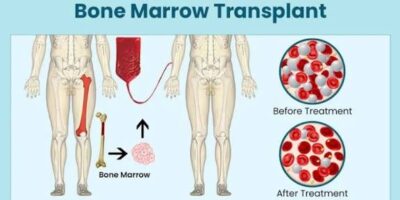


Bone marrow transplant in Pakistan is a rescue therapy that has saved the lives of patients with severe blood disorders that have been leukaemia, lymphoma, myeloma, primary immune deficiencies, thalassaemia, and aplastic anaemia. The replaced bone marrow is one that is healthy and not diseased or damaged, so that blood cells and immune cells of the body can be made anew.
For many patients, it is their only ticket to getting better and their only shot at survival that is longer than a year and a half, and in many cases, up to a full life span.
The country of Pakistan has made a major leap of faith and has been tremendously successful in the past couple of years to the extent that now lots of hospitals with their transplant units are able to provide top-notch facilities and have very skilled medical teams.
A very crucial phase in the operation is the availability of the bone marrow donor registry in Pakistan, as it enables the patients to locate a suitable match who is not dependent solely on international databases. Since the matching of donors for bone marrow transplant is the key to success, the well-organized donor programs within the country have led to more people having access to treatments that are done on time and are more affordable.
The complete patient guide will inform the bone marrow transplant process step by step, explain the risks and aftercare, and introduce the available resources that can help patients and their families in Pakistan.
What is a Bone Marrow / Stem Cell Transplant?
A bone marrow or stem cell transplant is a medical procedure where unhealthy bone marrow is replaced with healthy stem cells to restore the body’s ability to produce normal blood cells. These stem cells can come from the patient’s own body or from a compatible donor. While the terms “bone marrow transplant” and “stem cell transplant” are often used interchangeably, stem cell transplants are more common today because stem cells can be collected more easily from blood.
This treatment is often recommended for patients with blood cancers like leukaemia or lymphoma, genetic conditions such as thalassaemia, or severe bone marrow failure disorders like aplastic anaemia. For instance, thalassaemia treatment in Pakistan has increasingly relied on bone marrow and stem cell transplants, as it is the only curative option available for many patients who otherwise depend on lifelong blood transfusions.
The process doesn’t end with the transplant itself. Recovery and bone marrow transplant aftercare are critical for ensuring success. Patients require close monitoring, infection prevention, and lifestyle adjustments to help the body rebuild a healthy immune system. In this way, the transplant becomes not just a one-time medical event but a long-term care journey.
Bone Marrow Transplant Procedure Explained
The bone marrow transplant procedure is carried out in several stages, each of which plays a critical role in ensuring a successful outcome. The journey often begins with identifying the right donor. For patients undergoing a leukaemia bone marrow transplant, donor compatibility is especially important, as mismatches can increase the risk of complications. Hospitals perform HLA (human leukocyte antigen) tests to ensure the donor and recipient share key immune system markers.
Once a donor is confirmed, patients undergo a pre-transplant conditioning phase. This usually involves high-dose chemotherapy or radiation therapy to destroy diseased bone marrow and create space for healthy stem cells. Although this stage is vital, it also carries significant challenges, such as weakening the immune system and causing short-term side effects.
The transplant itself involves infusing the donor’s stem cells into the patient’s bloodstream, similar to a blood transfusion. From there, the cells travel to the bone marrow and begin producing new, healthy blood cells.
Recovery is the most delicate part of the process. Patients remain under close observation to monitor engraftment, infections, and overall health. Leading facilities such as the best hospital for bone marrow transplant in Karachi and other major centers use advanced monitoring protocols to track progress. However, careful attention is needed because of potential complications, which are tied directly to bone marrow transplant risks and success rate, discussed later in this guide.
To better understand the complexity, here are additional stages and considerations involved in the bone marrow transplant procedure:
- Donor Matching for Bone Marrow Transplant: Beyond HLA testing, donors are screened for infectious diseases and overall health to ensure safe transplantation. Sibling donors often provide the best matches, though unrelated donors may also be used through international registries.
- Stem Cell Collection: Depending on the type of transplant, stem cells may be collected directly from bone marrow or from peripheral blood using apheresis machines. This ensures a sufficient supply of haematopoietic stem cells for successful engraftment.
- Conditioning Intensity Variations: Some patients undergo myeloablative conditioning (high-dose chemo/radiation), while others particularly older or medically fragile individuals may receive reduced-intensity conditioning to lower risks.
- Infusion Monitoring: Although the stem cell infusion is straightforward, patients are closely monitored for reactions such as fever, chills, or shortness of breath during the process.
- Engraftment Period: This is the critical window, usually 2–4 weeks post-infusion, where new stem cells begin producing red cells, white cells, and platelets. Failure to engraft can be life-threatening, requiring urgent interventions.
- Post-Transplant Medications: Patients receive immune-suppressing drugs to reduce the chances of graft-versus-host disease (GVHD). These medications may continue for several months to years depending on recovery.
- Nutritional & Environmental Control: During early recovery, strict diet plans and protective isolation protocols are followed to reduce infection risks while the immune system rebuilds.
- Hospital Stay Duration: Many patients remain hospitalized for 4–6 weeks post-transplant. Outpatient monitoring continues for months, with frequent blood tests and physician evaluations.
- Psychological and Emotional Care: Emotional strain is a major factor. Counseling, support groups, and patient education play key roles in strengthening resilience during recovery.
- Long-Term Follow-Up: Even years after the transplant, patients require ongoing surveillance for late effects such as secondary cancers, fertility issues, or organ complications.
By breaking down these steps, it becomes clear that a bone marrow transplant in Pakistan is not a single event but a carefully orchestrated process requiring precision, expertise, and continuous monitoring. Success depends not just on the procedure itself but also on holistic support covering medical, nutritional, and emotional aspects of patient care.

Types of Bone Marrow Transplants
There are several types of bone marrow and stem cell transplants, and the choice depends on the patient’s condition, donor availability, and overall health. Understanding these options is essential for families considering stem cell transplant in Pakistan, as treatment approaches may vary by hospital and medical team.
1. Autologous Transplant
In this type, the patient’s own stem cells are collected before undergoing high-dose chemotherapy or radiation. After treatment, the cells are reintroduced to help restore bone marrow function. This is commonly used for certain cancers like lymphoma or multiple myeloma.
2. Allogeneic Transplant
This procedure involves receiving stem cells from a matched donor, often a sibling or unrelated volunteer. It is particularly common in conditions such as leukaemia or thalassaemia. Allogeneic transplants can be riskier due to the potential for immune complications, but they also offer the best chance of replacing diseased marrow completely.
3. Haploidentical Transplant
Here, the donor is a half-match, usually a parent or child. Advances in medical science have made this option more viable, especially when a fully matched donor cannot be found in a bone marrow donor registry Pakistan.
4. Cord Blood Transplant
Stem cells are collected from umbilical cord blood after birth and stored for future use. Although the number of cells is smaller, they adapt more easily, reducing complications.
All these procedures fall under the broader category of haematopoietic stem cell transplant, which refers to restoring healthy blood and immune systems through stem cells. The choice of transplant type also has a direct effect on overall recovery and expenses, linking closely to bone marrow transplant cost in Pakistan, which we will discuss in detail later.
Comparison Table: Types of Bone Marrow Transplants
| Type | Donor Source | Common Uses | Key Considerations |
| Autologous | Patient’s own cells | Lymphoma, multiple myeloma | Lower risk of rejection, but may reintroduce cancer cells |
| Allogeneic | Matched donor | Leukemia, thalassemia | Higher success for full marrow replacement, but higher risk of GVHD |
| Haploidentical | Half-matched family | When a full match is unavailable | More accessible, higher risk of complications |
| Cord Blood | Umbilical cord | Pediatric cancers, aplastic anemia | Lower risk of rejection, limited cell numbers |
Eligibility & Requirements for Bone Marrow Transplant in Pakistan
Not every patient qualifies for a transplant, and careful evaluation is essential before starting the bone marrow transplant procedure. Doctors first assess the patient’s overall health, age, and medical history, since the treatment can be physically demanding.
In most cases, patients with blood cancers such as leukaemia or lymphoma, severe aplastic anaemia, or inherited conditions like thalassaemia are considered for transplants. In fact, thalassaemia treatment in Pakistan increasingly relies on bone marrow or stem cell transplants, as they offer a potential cure for patients otherwise dependent on lifelong transfusions.
Before approval, patients undergo a series of diagnostic tests, including HLA typing, blood tests, and imaging scans. These ensure the patient’s body can handle the procedure and confirm compatibility with a donor. The success of bone marrow transplant in Pakistan depends heavily on donor matching, which minimizes risks of rejection and complications.
Hospitals also require proof of financial planning, as transplant-related care is ongoing. Additionally, psychosocial evaluations are conducted to ensure that patients and their families are prepared for the long recovery process. Meeting all these requirements gives patients the best possible chance of a successful transplant and long-term recovery.
Risks & Side Effects of Bone Marrow Transplant
While the bone marrow transplant procedure offers life-saving potential, it also carries risks and side effects that patients and families should carefully understand. The most common complication is graft-versus-host disease (GVHD), which occurs when donor immune cells attack the recipient’s body. GVHD can range from mild skin rashes to severe organ damage, requiring long-term monitoring and treatment.
Another major risk is infection. Since the immune system is weakened during the transplant, patients are highly vulnerable to bacterial, viral, and fungal infections, especially in the first 100 days. Organ complications, such as liver or lung issues, may also occur as a result of chemotherapy or radiation used during conditioning.
Survival and success rates vary depending on factors such as patient age, disease type, donor match quality, and the facility where the transplant is performed. Advances in technology and medical expertise in Pakistan have steadily improved outcomes in recent years.
It is also important to recognize that bone marrow transplant aftercare plays a critical role in reducing these risks. Strict infection control, regular follow-up visits, and adherence to prescribed medications help patients recover more smoothly. With careful monitoring, many risks can be managed effectively, leading to higher success rates and better quality of life after transplant.
Aftercare & Recovery Post-Transplant
Recovery following a transplant is a gradual process, and bone marrow transplant aftercare is just as important as the procedure itself. Patients usually remain under close hospital supervision for several weeks after receiving their stem cells, allowing doctors to monitor blood counts, immune function, and organ health. In cases of stem cell transplant in Pakistan, this stage is carefully managed to reduce complications and support long-term recovery.
After leaving the hospital, patients must follow strict medical and lifestyle guidelines. A nutrient-rich diet with plenty of proteins and vitamins supports blood cell regeneration, while avoiding raw or unwashed foods helps reduce infection risks. Hygiene and protective measures, such as wearing masks and limiting exposure to large crowds, are also essential.
Another critical part of aftercare is continuous monitoring of donor compatibility. Even after successful donor matching for bone marrow transplant, there remains a risk of graft-versus-host disease, which requires long-term medical supervision. Regular follow-ups allow doctors to detect complications early and adjust medications accordingly.
Emotional and psychological support should not be overlooked. Many patients benefit from counseling or peer support groups, which ease the challenges of recovery. With consistent aftercare and adherence to medical guidance, most patients gradually regain strength, though immune recovery may take up to a year or longer.
Bone Marrow Transplant in Pakistan: Cost & Resources
For many patients and families, understanding the financial and logistical aspects of treatment is a vital part of planning. The bone marrow transplant cost in Pakistan typically ranges between PKR 3.5 to 7 million, depending on the hospital, type of transplant, and whether donor cells are required. Compared to Western countries, where costs can exceed USD 150,000, Pakistan offers significantly lower expenses, making treatment more accessible, though still financially challenging for many households.
To support patients, various charitable organizations and welfare programs assist in covering costs. Government hospitals and non-profits often provide subsidized options, particularly for children with blood disorders such as thalassemia or leukemia. These resources can reduce the burden on families while ensuring patients receive life-saving care.
A crucial element in improving access is the bone marrow donor registry Pakistan. This registry helps match patients with compatible donors, especially in cases where family matches are unavailable. Expanding the registry is vital for increasing success rates and offering hope to patients with rare tissue types.
Despite significant advancements, patients must also consider the bone marrow transplant risks and success rate. While success varies by condition, age, and donor compatibility, many centers in Pakistan report promising outcomes comparable to international standards. However, risks such as infection, graft rejection, and organ complications remain, underscoring the importance of choosing experienced transplant teams and following strict aftercare.
Overall, with growing donor registries, expanding treatment facilities, and support programs, Pakistan is steadily improving access to advanced transplant care, making this option viable for more patients every year.
Why Choose [Hospital/Center] for Bone Marrow Transplant?
When it comes to choosing the best hospital for bone marrow transplant in Karachi, patients and families often look for institutions with advanced facilities, strong success rates, and comprehensive aftercare. Karachi is home to some of the country’s most recognized medical centers, offering specialized hematology departments, experienced transplant physicians, and modern labs that support every stage of the bone marrow transplant procedure.
One of the key strengths of these hospitals is their connection with the bone marrow donor registry Pakistan, which plays an essential role in helping patients secure compatible matches. Donor matching is often the deciding factor in the success of a bone marrow transplant in Pakistan, and hospitals with access to larger donor networks are better positioned to provide timely and effective treatments.
In addition, leading centers in Karachi emphasize patient safety by following international protocols for chemotherapy, conditioning, and infection control. Their ability to manage complications and provide strong post-transplant support ensures patients not only undergo the procedure successfully but also have better long-term outcomes. For families seeking life-saving therapies like transplants for leukemia or thalassemia, these hospitals stand out as trusted and reliable options.
By combining advanced medical expertise, donor registry access, and patient-focused care, Karachi’s top transplant hospitals continue to set benchmarks for quality in Pakistan’s healthcare system.
Final Thoughts
A bone marrow transplant in Pakistan remains a vital treatment for patients suffering from blood cancers, aplastic anaemia, or thalassaemia. While the bone marrow transplant procedure involves complex steps such as donor matching, conditioning, and recovery, choosing the right facility greatly impacts the outcome. Many patients search for the best hospital for bone marrow transplant in Karachi because experienced medical teams and advanced labs improve success rates.
For families exploring options, it’s essential to review not only the medical process but also local resources that guide patients through donor matching, aftercare, and long-term recovery. Detailed insights are available through trusted platforms like the NIBD, which explains treatment requirements, costs, and support available across Pakistan.
By seeking early medical consultation and connecting with verified resources, patients can increase their chances of successful treatment and return to healthier lives.
FAQs About Bone Marrow Transplant
The bone marrow transplant cost in Pakistan varies depending on the hospital, type of transplant, and required aftercare. On average, it ranges from PKR 3.5 million to 7 million, which is significantly lower compared to the United States or Europe. However, patients should also consider expenses related to donor matching, medications, and prolonged hospital stays.
Recovery timelines differ for each patient, but typically, immune reconstitution takes several months. Most patients remain under close monitoring for 3–6 months, with some requiring up to a year before returning to normal activities. Strong follow-up care is vital to prevent complications.
The bone marrow transplant procedure itself is not painful since stem cell infusion is similar to receiving a blood transfusion. However, pre-transplant chemotherapy and conditioning may cause side effects such as fatigue, nausea, or mouth sores, which can be managed with supportive care.
Yes, thalassaemia treatment in Pakistan often includes bone marrow or stem cell transplants for eligible patients. For many, it remains the only potential curative option. Success rates are higher when performed at a younger age with a compatible donor.
The bone marrow transplant risks and success rate vary by diagnosis, age, and donor match. In Pakistan, success rates range from 60% to 80% in major centers, which aligns with global standards when procedures are performed in specialized hospitals with strong donor registry access.