

Blood is something we rarely think about, yet it keeps us alive every second. From carrying oxygen to fighting infections, it plays a critical role in overall health. Understanding how blood cells are made can help you recognize why your body functions the way it does, and what happens when things go wrong.
In simple terms, blood is not just a red liquid. It is made up of different cells, each with a unique job. The blood cell formation process is continuous, meaning your body is always producing new cells to replace old ones.
In Pakistan, many people face health issues related to blood without fully understanding them. Learning how blood is formed in the human body step by step can help individuals take better care of their health and recognize early warning signs of disease.
What Are Blood Cells?
Blood contains three main components, often referred to as the types of blood cells and functions.
First, red blood cells are responsible for carrying oxygen throughout the body. The red blood cells function is essential because oxygen fuels every organ and tissue. Without enough oxygen, the body feels weak and tired.
Second, white blood cells protect the body from infections. The white blood cells’ role in immunity is to identify and destroy harmful bacteria and viruses. These cells act like your body’s defense system.
Third, platelets help your blood clot. The platelets function in blood ensures that when you get a cut or injury, bleeding stops quickly.
Together, these cells work in balance. If one type becomes too low or too high, it can affect overall health. Understanding the types of blood cells and functions helps you see how each part contributes to your wellbeing.
How Blood Cells Are Made
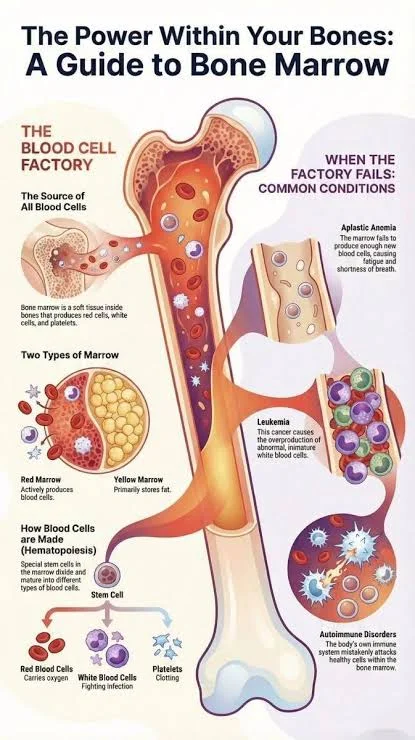
The production of blood cells happens inside your bones, in a soft tissue called bone marrow. The bone marrow function is to act like a factory that continuously produces new blood cells.
This entire system explains how blood cells are made in the body. It starts with special cells called stem cells. These cells can develop into red blood cells, white blood cells, or platelets depending on the body’s needs.
If you’re wondering how blood is formed in human body step by step, here’s a simple breakdown:
- Stem cells are created in the bone marrow
- They mature into specific types of blood cells
- These cells enter the bloodstream and start working
The blood cell formation process is tightly controlled. Your body ensures that the right number of each cell type is produced. However, if the bone marrow function is disturbed, it can lead to serious health problems.
What Can Go Wrong?
Sometimes, the body cannot maintain a healthy balance of blood cells. This can happen due to infections, poor nutrition, genetic conditions, or other health issues. These are known as blood disorders.
For example, anemia occurs when there are not enough red blood cells. This affects the red blood cells function, leading to fatigue and weakness.
Similarly, if white blood cells are too low, the white blood cells’ role in immunity becomes weaker, making the body more prone to infections.
Problems with platelets can affect the platelets function in blood, causing excessive bleeding or clotting issues.
In Pakistan, common concerns include nutritional deficiencies and infections. Understanding the causes of low blood cells in Pakistan can help people take preventive steps such as improving diet and seeking timely treatment.
There are many conditions included in the blood diseases list in Pakistan, ranging from mild anemia to more serious disorders like leukemia.
Also, understanding what happens when blood cells are low helps people recognize the importance of early diagnosis and care.
Symptoms to Watch For
Blood-related problems often show clear warning signs. Recognizing the symptoms of blood cell disorders early can make a big difference.
Common symptoms include:
- Constant tiredness
- Pale skin
- Frequent infections
- Easy bruising or bleeding
These signs may indicate issues with different blood cell types. For example, weakness may relate to red blood cells function, while frequent illness could be linked to the white blood cells role in immunity.
People should also be aware of what happens when blood cells are low, as symptoms can worsen over time if ignored.
In many cases, individuals overlook these signs. However, knowing the symptoms of blood cell disorders can help you act early and avoid complications. For proper evaluation and testing, specialized departments like the Hematology services at the National Institute of Blood Disease (NIBD) can help diagnose and manage blood-related conditions effectively.
When to See a Doctor
If you experience ongoing fatigue, frequent infections, or unusual bleeding, it’s important to seek medical help. These could be linked to blood disorders that require proper diagnosis.
Doctors may recommend blood tests to check the levels of different cells. This helps identify issues related to the blood cell formation process.
In Pakistan, awareness is still growing, but recognizing the causes of low blood cells in Pakistan can encourage timely medical consultation and treatment.
FAQs
1. What causes low blood cells?
Low blood cells can result from poor diet, infections, or underlying diseases. These are common blood disorders and should be checked by a doctor.
2. How blood is formed in the human body step by step?
Blood is made in the bone marrow where stem cells develop into different blood cells. This explains how blood is formed in the human body step by step in a simple way.
3. What happens when blood cells are low?
You may feel weak, get infections easily, or notice unusual bleeding. This shows what happens when blood cells are low in the body.
4. What are common blood diseases in Pakistan?
Conditions like anemia, infections, and leukemia are part of the blood diseases list in Pakistan.
5. How can blood cell disorders be diagnosed early?
Blood cell disorders are usually diagnosed through routine blood tests like CBC (Complete Blood Count). Early testing helps detect symptoms of blood cell disorders before they become severe.
Final Thoughts
Understanding how blood cells are made gives you better control over your health. Early awareness of symptoms and risks can prevent serious complications.
If you notice any warning signs, don’t ignore them, consult a doctor. Early diagnosis saves lives.
For reliable diagnosis and expert care, you can consult the National Institute of Blood Disease (NIBD), where specialized teams support patients in identifying and managing blood-related conditions effectively.


