

Living with a lifelong condition like haemophilia can feel overwhelming at first but the reality today is far more hopeful.
With advances in haemophilia treatment, better awareness, and improved blood disorder management, individuals are no longer defined by their condition. In fact, many people are living with haemophilia in a way that is active, productive, and fulfilling.
This guide explores not just the medical side, but the everyday reality of how to manage, adapt, and thrive.
What Is Haemophilia?
Haemophilia is a rare genetic blood disorder in which the blood doesn’t clot properly due to a deficiency in clotting factors (Factor VIII or IX). This means even minor injuries can lead to prolonged bleeding, and internal bleeding, especially in joints that can become a serious concern.
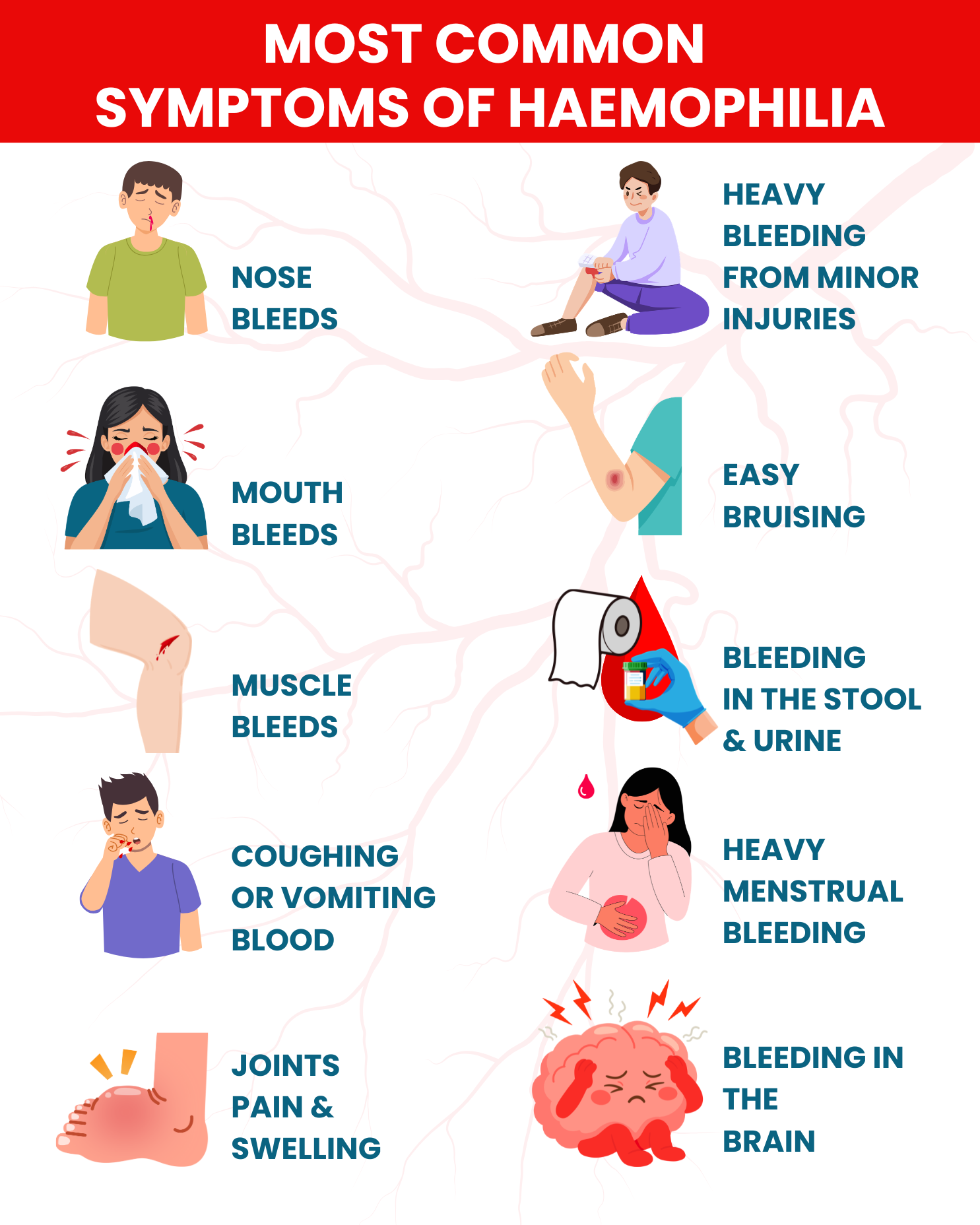
Common haemophilia symptoms and treatment considerations include:
- Frequent or prolonged bleeding
- Easy bruising
- Joint pain and swelling
- Bleeding after surgery or dental work
Modern haemophilia treatment focuses on replacing the missing clotting factor through clotting factor therapy, which helps prevent and control bleeding episodes.
While many still ask, “can haemophilia be cured?” The answer today is that there is no permanent cure yet. However, treatments have advanced to the point where people can live close to normal lives with proper care.
Daily Life Challenges
Despite medical progress, living with haemophilia comes with unique daily challenges that go beyond hospital visits.
Physical Limitations
Joint bleeds can cause discomfort and long-term damage if not managed early. Activities need to be chosen carefully.
Emotional & Mental Health
Living with a chronic condition can lead to anxiety, especially in children and parents. The fear of injury is real but manageable.
Financial Considerations
The haemophilia treatment cost in Pakistan can be significant, particularly for regular clotting factor therapy. Access and affordability remain key concerns for many families.
Social Awareness
Misunderstandings about the condition can lead to unnecessary restrictions or stigma.
These challenges highlight why chronic blood disease management must go beyond medicine, it requires lifestyle planning, education, and emotional support.
How to Manage Life Effectively
The key to blood disorder management is consistency, awareness, and proactive care. Here’s how individuals can effectively manage living with haemophilia:
1. Stick to Treatment Plans
Regular clotting factor therapy, whether preventive (prophylaxis) or on-demand is essential. Missing doses can increase bleeding risks.
2. Learn Early Warning Signs
Recognizing early symptoms of internal bleeding (tingling, stiffness, warmth in joints) can prevent complications.
3. Build a Care Routine
Daily routines that include medication schedules, safe physical activity, and check-ups are critical for how to manage haemophilia in daily life.
4. Stay Educated
Understanding your condition reduces fear and improves decision-making.
5. Emergency Preparedness
Always carry medical identification and emergency contact details.
Effective blood disorder management empowers patients to take control rather than feel limited.
Treatment & Support Systems
Modern haemophilia treatment has evolved significantly, offering patients better outcomes than ever before.
Clotting Factor Therapy
This is the cornerstone of treatment. It replaces missing clotting proteins and can be administered:
- On-demand (after bleeding starts)
- Prophylactically (to prevent bleeding)
Advanced Therapies
Emerging options like gene therapy are being explored globally, offering hope for long-term solutions.
Multidisciplinary Care
Treatment often involves:
- Haematologists
- Physiotherapists
- Counselors
Support Organizations
Institutions like National Institute of Blood Disease (NIBD) play a key role in providing diagnosis, treatment guidance, and awareness for patients across Pakistan. Access to such centers improves overall blood disorder management outcomes.
Support groups and patient communities also help families navigate emotional and practical challenges.
Lifestyle Tips (Diet, Precautions, Activity)
A well-managed lifestyle is just as important as medical treatment when living with haemophilia.
Diet & Nutrition
- Eat iron-rich foods (spinach, lentils, red meat) to support blood health
- Maintain a healthy weight to reduce joint stress
- Stay hydrated
Safe Physical Activity
Exercise strengthens muscles and protects joints:
- Swimming
- Walking
- Light strength training
Avoid high-contact sports unless approved by your doctor.
Injury Prevention
- Use protective gear when needed
- Keep living spaces safe (avoid sharp edges, slippery floors)
- Practice good dental hygiene to prevent gum bleeding
Regular Check-Ups
Consistent monitoring ensures early detection of complications.
These steps are essential for how to manage haemophilia in daily life and reduce long-term risks.
Support in Pakistan
Pakistan has made gradual progress in supporting patients with haemophilia and other genetic blood disorders, though challenges remain.
Access to Treatment
Major cities offer better access to care, especially through institutions like the National Institute of Blood Diseases, which provides specialized services.
Financial Support & NGOs
Some organizations and welfare groups help subsidize haemophilia treatment costs in Pakistan, making care more accessible.
Awareness & Education
Efforts are increasing to educate families about haemophilia symptoms and treatment, improving early diagnosis and management.
Community Support
Online forums and local groups provide much-needed support for blood disorder patients in Pakistan, helping families feel less isolated.
Life Expectancy & Long-Term Outlook
One of the most searched concerns is the life expectancy of haemophilia patients.
The encouraging reality:
- With modern haemophilia treatment, life expectancy is now close to normal in many cases
- Early diagnosis and consistent care significantly improve outcomes
- Proper blood disorder management prevents complications
This shift highlights how far treatment has come and why awareness matters.
FAQs
1. Can haemophilia be cured?
Currently, haemophilia has no permanent cure. However, modern haemophilia treatment like clotting factor therapy allows people to live normal, active lives with proper care.
2. What are the common haemophilia symptoms?
Typical haemophilia symptoms and treatment concerns include prolonged bleeding, easy bruising, joint pain, and bleeding after injuries or surgery.
3. How to manage haemophilia in daily life?
Effective blood disorder management includes regular treatment, recognizing early bleeding signs, maintaining a safe lifestyle, and attending routine check-ups.
4. What is the haemophilia treatment cost in Pakistan?
The haemophilia treatment cost in Pakistan varies depending on severity and frequency of clotting factor therapy. Support programs and organizations may help reduce costs.
5. What is the life expectancy of haemophilia patients?
With proper haemophilia treatment and consistent care, the life expectancy of haemophilia patients is now close to normal in many cases.
Bottom Line: A Life Beyond Limitations
Haemophilia is a lifelong condition, but it does not have to limit life. With the right haemophilia treatment and strong blood disorder management, life can be active and fulfilling.
If you or a loved one is living with haemophilia:
- Stay consistent with treatment
- Build safe daily habits
- Seek the right support
For expert care and guidance, consider reaching out to the National Institute of Blood Diseases (NIBD) for support in managing haemophilia effectively.


