

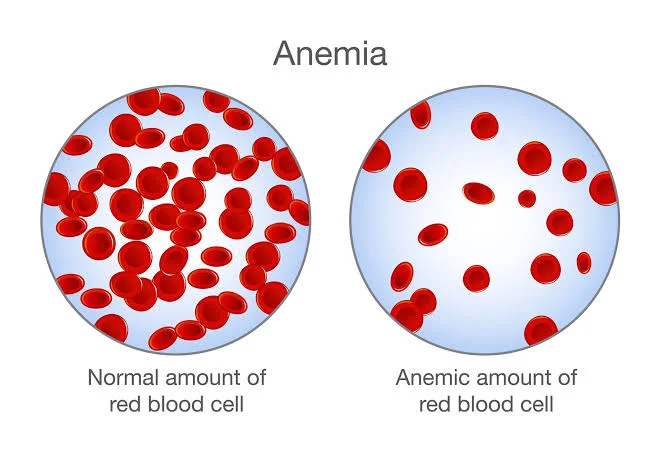
Blood disorders are often associated with anaemia, but the world of haematology is far broader and more complex. Many people assume that fatigue caused by iron deficiency anaemia is the main blood-related health issue. In reality, dozens of other haematological conditions, some of which common and some extremely rare, can significantly impact daily life.
From inherited conditions like thalassaemia to immune-related disorders such as immune thrombocytopenia, blood diseases can influence energy levels, immune function, bleeding risk, and overall quality of life. Understanding these conditions is essential for early diagnosis and proper treatment.
In this guide, we explore blood disorders daily life, highlight lesser known blood conditions, explain common blood disease symptoms, and examine the landscape of haematology disorders in Pakistani patients frequently encounter.
Understanding Blood Disorders
Blood disorders are medical conditions that affect one or more components of blood, including:
- Red blood cells (RBCs)
- White blood cells (WBCs)
- Platelets
- Plasma proteins
Each component performs essential functions. Red blood cells carry oxygen throughout the body, white blood cells fight infection, and platelets help blood clot to prevent bleeding.
When these components become abnormal, either in number, structure, or function, serious health problems may develop.
Globally, inherited haemoglobin disorders such as thalassaemia and sickle cell disease affect hundreds of thousands of newborns each year due to mutations in globin genes that alter haemoglobin structure or production.
These disorders often require lifelong medical monitoring and treatment.
How Blood Disorders Affect Daily Life
Many blood diseases do more than affect laboratory results, they influence everyday living.
People living with haematologic conditions may experience:
- Persistent fatigue
- Frequent infections
- Easy bruising or bleeding
- Chronic pain
- Reduced physical stamina
- Difficulty concentrating
Studies have shown that anaemia and related blood disorders can reduce physical and cognitive performance, affecting academic, social, and occupational activities.
For patients, these challenges translate into limitations in daily routines such as work, school, exercise, and social interactions.
This is why recognizing blood disorders daily life impacts is crucial in healthcare planning and patient support.
Common Blood Disorders Beyond Anaemia
Although anaemia is widely recognized, several other blood disorders can profoundly affect health and quality of life.
1. Thalassaemia
Thalassaemia is an inherited blood disorder that affects haemoglobin production. People with severe forms may require regular blood transfusions throughout life.
How it affects daily life
Patients often experience:
- Chronic fatigue
- Growth delays
- Bone deformities
- Organ complications
Thalassaemia is particularly prevalent in South Asia and the Middle East, making it a significant concern within haematology disorders in Pakistan’s healthcare systems.
2. Sickle Cell Disease
Sickle cell disease causes red blood cells to become rigid and crescent-shaped. These abnormal cells block blood vessels and reduce oxygen delivery.
Symptoms
- Severe pain episodes
- Fatigue
- Organ damage
- Increased infection risk
Because pain crises can occur unpredictably, the disease significantly disrupts normal daily routines.
3. Haemophilia
Haemophilia is a genetic disorder where blood lacks certain clotting factors.
Daily life impact
People with haemophilia may experience:
- Prolonged bleeding from injuries
- Joint bleeding
- Increased surgical risks
Patients often require regular clotting factor therapy to maintain normal activity levels.
4. Immune Thrombocytopenia (ITP)
Immune thrombocytopenia occurs when the immune system mistakenly destroys platelets.
Symptoms include
- Easy bruising
- Nosebleeds
- Prolonged bleeding
In Pakistan, thrombocytopenia is associated with several underlying causes including infections, bone marrow disorders, and immune conditions.
5. Leukaemia
Leukaemia is a cancer of blood-forming tissues, including bone marrow.
Common blood disease symptoms
- Frequent infections
- Fatigue
- Unexplained bruising
- Bone pain
Treatment often involves chemotherapy, targeted therapy, or stem cell transplantation.
Lesser Known Blood Conditions That Affect Daily Life
While many people are familiar with anaemia or leukaemia, there are several lesser known blood conditions that can also significantly affect health.
1. Paroxysmal Nocturnal Haemoglobinuria (PNH)
Paroxysmal nocturnal hemoglobinuria is a rare disease in which the immune system destroys red blood cells.
This destruction occurs because red blood cells lack protective surface proteins, leading to hemolysis within blood vessels.
Symptoms
- Dark urine
- Fatigue
- Blood clots
- Abdominal pain
PNH can severely affect daily functioning due to chronic anaemia and clotting complications.
2. Gray Platelet Syndrome
Gray platelet syndrome is a rare inherited bleeding disorder caused by defects in platelet granules.
Symptoms often include easy bruising, frequent nosebleeds, and low platelet counts beginning in childhood.
Because platelets are essential for clotting, patients must carefully manage physical activities to avoid injuries.
3. Wiskott–Aldrich Syndrome
Wiskott–Aldrich syndrome is an immune disorder characterized by:
- Low platelet count
- Eczema
- Immune deficiency
Patients often suffer from infections and bleeding episodes, which can severely affect childhood development and daily life.
4. Paroxysmal Cold Haemoglobinuria
This rare autoimmune condition causes red blood cells to break down after exposure to cold temperatures.
The destruction of red blood cells leads to haemolytic anaemia and can result in sudden weakness or dark urine episodes.
Blood Disease Symptoms You Should Not Ignore
Recognizing blood disease symptoms early can prevent complications and enable timely treatment.
Common warning signs include:
- Persistent fatigue
- Pale skin
- Shortness of breath
- Frequent infections
- Unexplained bruising
- Bleeding gums
- Bone pain
- Enlarged lymph nodes
If these symptoms persist, doctors may recommend a blood panel or specialized haematology evaluation.
Haematology Disorders in Pakistan
Blood disorders represent an important healthcare challenge in Pakistan.
Research on cytopenias in Pakistani hospitals shows that conditions such as megaloblastic anaemia, leukaemia, and aplastic anaemia are among the most common causes of abnormal blood counts.
Other important concerns include:
- Thalassaemia major
- Iron deficiency anaemia
- Immune thrombocytopenia
- Blood cancers
Due to genetic factors and population demographics, haemoglobin variants such as Haemoglobin D-Punjab are also relatively common in the region.
Improving awareness, screening programs, and access to haematology specialists is essential for managing haematology disorders Pakistan healthcare systems face.
How Blood Disorders Are Diagnosed
Diagnosing blood diseases typically involves several laboratory tests.
Common diagnostic tests
- Complete Blood Count (CBC)
- Peripheral blood smear
- Bone marrow biopsy
- Genetic testing
- Haemoglobin electrophoresis
These tests help physicians identify abnormalities in blood cell numbers, structure, or function.
Early detection significantly improves treatment outcomes.
Living with a Blood Disorder
Although many blood diseases are chronic conditions, proper treatment and monitoring can help patients lead active lives.
Management strategies may include:
- Blood transfusions
- Medications
- Immunotherapy
- Gene therapy
- Bone marrow transplantation
Lifestyle changes such as balanced nutrition, infection prevention, and regular medical monitoring also play a critical role.
The Importance of Early Screening for Blood Disorders
Early detection plays a crucial role in managing blood diseases effectively. Many haematological conditions develop gradually, and symptoms may not appear until the disorder has already progressed.
Routine blood tests, especially a Complete Blood Count (CBC), allow physicians to detect abnormal blood cell patterns early. Subtle changes in red blood cells, white blood cells, or platelets can indicate underlying disease even when a person feels healthy.
Screening is particularly important in regions where inherited conditions like thalassaemia are common. In such cases, early diagnosis not only improves treatment outcomes but also allows families to make informed healthcare decisions.
Regular screening is therefore an essential step in reducing the long-term impact of blood disorders daily life challenges.
Why Many Blood Disorders Go Undiagnosed
One of the biggest challenges in haematology is that many blood diseases develop silently. Early symptoms may be mild or mistaken for everyday fatigue, stress, or minor illness.
Several factors contribute to delayed diagnosis:
1. Non-Specific Symptoms
Many blood disease symptoms are vague and easily overlooked. Patients may experience fatigue, mild dizziness, or headaches, which can be attributed to lifestyle factors rather than medical conditions.
2. Gradual Disease Progression
Certain disorders such as chronic leukaemia or bone marrow diseases progress slowly over time. Because the body adapts to gradual changes, individuals may not notice symptoms until the disease becomes advanced.
3. Lack of Routine Screening
In many healthcare systems, people seek medical care only after symptoms become severe. Without routine blood testing, lesser known blood conditions may remain undetected for years.
Increasing awareness and encouraging preventive healthcare can help identify these conditions earlier.
How Lifestyle and Nutrition Influence Blood Health
While many blood disorders are genetic or immune-related, lifestyle factors can also influence overall blood health.
Maintaining healthy habits can help reduce complications and improve quality of life for people with blood disorders.
Balanced Nutrition
Nutrients play a vital role in blood cell production. Key nutrients include:
- Iron for red blood cell formation
- Vitamin B12 for nerve and blood cell health
- Folate for DNA synthesis and cell growth
Deficiencies in these nutrients can contribute to anaemia and other haematologic abnormalities.
Physical Activity
Regular moderate exercise supports cardiovascular health and improves circulation. However, patients with bleeding disorders such as haemophilia should consult healthcare providers before engaging in high-impact activities.
Infection Prevention
Because some blood disorders weaken the immune system, preventing infections becomes especially important.
Recommended practices include:
- Regular hand hygiene
- Staying up to date with vaccinations
- Avoiding exposure to infectious illnesses
These measures can significantly reduce complications for patients living with haematologic conditions.
Advances in Haematology Treatment and Research
Modern medicine has made remarkable progress in the treatment of blood disorders. Advances in genetics, immunology, and biotechnology are transforming how many conditions are diagnosed and managed.
Targeted Therapies
Unlike traditional chemotherapy, targeted therapies focus on specific molecular pathways involved in disease development. These treatments are widely used in certain blood cancers such as leukaemia and lymphoma.
Targeted drugs can improve outcomes while reducing side effects compared with conventional treatments.
Gene Therapy
Gene therapy represents one of the most promising developments in hematology. Scientists are exploring ways to correct genetic mutations responsible for diseases like sickle cell disease and thalassaemia.
Early clinical trials have shown encouraging results, suggesting that gene-based treatments may eventually offer long-term cures for some inherited blood disorders.
Improved Diagnostic Technologies
New diagnostic tools allow doctors to detect haematologic abnormalities earlier and more accurately than ever before.
Examples include:
- Advanced genetic testing
- Molecular diagnostics
- High-resolution bone marrow analysis
These technologies help specialists identify haematology disorders in Pakistan healthcare systems are increasingly recognising and treating.
As research continues, patients with both common and lesser known blood conditions can expect improved treatment options and better quality of life.
Unexplained Symptoms? Get a Blood Panel at NIBD Today
If you experience persistent fatigue, frequent infections, or unusual bleeding, it may be time to investigate your blood health.
A comprehensive blood panel can identify underlying haematologic conditions before they become severe.
Unexplained Symptoms? Get a Blood Panel at NIBD Today
Specialists at NIBD provide advanced diagnostic testing and treatment for blood disorders, helping patients receive accurate diagnosis and personalised care.
Early detection can make a significant difference in treatment outcomes and quality of life.
Frequently Asked Questions
What blood disorders affect daily life?
Blood disorders that affect daily life include conditions such as thalassaemia, sickle cell disease, haemophilia, immune thrombocytopenia, and leukaemia. These disorders can interfere with oxygen delivery, immunity, and blood clotting, causing fatigue, infections, bleeding episodes, or chronic pain. Because these symptoms persist over time, they can affect work, school, physical activity, and overall quality of life.
What are the early symptoms of blood disorders?
Early symptoms of blood disorders often include fatigue, pale skin, shortness of breath, frequent infections, easy bruising, and unexplained bleeding. These symptoms occur when abnormal blood cells affect oxygen transport, immune defense, or clotting mechanisms.
Are blood disorders common in Pakistan?
Yes. Conditions such as thalassaemia, anaemia, leukaemia, and thrombocytopenia are commonly reported in Pakistani healthcare facilities. Research shows that megaloblastic anaemia and leukaemia are among the leading causes of abnormal blood counts in local populations.
Can blood disorders be cured?
Some blood disorders can be cured through treatments such as bone marrow transplantation or gene therapy. Others require lifelong management through medication, transfusions, or supportive therapies.
When should you see a hematologist?
You should consult a haematologist if you experience persistent fatigue, unexplained bleeding, frequent infections, abnormal blood test results, or family history of inherited blood disorders.
Final Thoughts
Blood disorders extend far beyond anaemia. From common conditions like thalassaemia to rare diseases such as paroxysmal nocturnal haemoglobinuria, these conditions can significantly affect physical health, emotional wellbeing, and everyday life.
Raising awareness about blood disorders daily life, recognizing blood disease symptoms, and understanding lesser known blood conditions can empower patients to seek medical help early.
With improved screening, specialized care, and public education, healthcare systems including those managing haematology disorders Pakistan, can better support individuals living with these conditions.


