

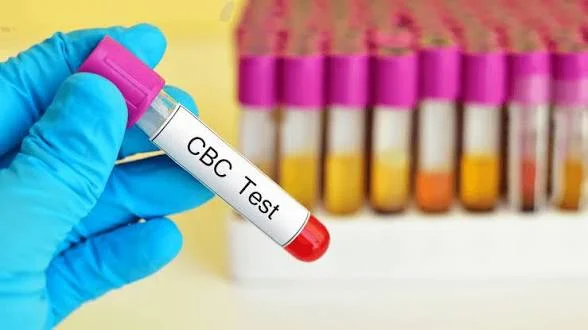
Many serious health conditions begin silently. Long before fatigue, fever, or pain appear, subtle changes may already be happening inside the body. One of the simplest tools doctors use to detect these early signals is the Complete Blood Count (CBC) test.
Understanding your CBC test results explained properly can help detect health issues before symptoms begin. In this guide, we’ll explore what CBC reveals, how to interpret common values, and how early blood test patterns can signal disease long before you feel unwell.
TRENDING: CBC Is the Most Ordered Blood Test in Pakistan
In clinical practice worldwide and especially in countries like Pakistan, the CBC is among the most frequently ordered laboratory tests.
Doctors often request a CBC during routine checkups, hospital admissions, and investigations for symptoms such as fatigue or infections. Because blood circulates through every organ system, changes in blood cells often reflect disease processes occurring elsewhere in the body.
Healthcare providers rely on CBC testing because it can help:
- Detect anaemia and nutritional deficiencies
- Identify infections or immune responses
- Monitor chronic diseases
- Screen for blood cancers
- Evaluate overall health status
In many hospitals and diagnostic centers across Pakistan, CBC testing is the first-line investigation for a wide range of medical concerns. This widespread use reflects its diagnostic value in identifying blood count before symptoms appear.
What Is a CBC Test?
A Complete Blood Count (CBC) is a laboratory test that measures the number and characteristics of different types of blood cells.
It typically includes measurements of:
- Red blood cells (RBCs)
- White blood cells (WBCs)
- Haemoglobin (Hb)
- Haematocrit (HCT)
- Platelets
- Red cell indices (MCV, MCH, MCHC, RDW)
Each component plays a crucial role in maintaining health. Red blood cells carry oxygen to tissues, white blood cells defend against infection, and platelets help the blood clot properly.
Because these cells respond quickly to disease processes, a CBC often reveals abnormalities even before symptoms begin.
CBC Reference Ranges Table
The following table summarizes commonly accepted reference ranges for adults. These ranges can vary slightly depending on laboratory standards and patient demographics.
| CBC Parameter | Typical Adult Range | What It Measures |
| White Blood Cells (WBC) | 4,000 – 11,000 cells/µL | Immune response and infection detection |
| Red Blood Cells (RBC) | 4.0 – 6.1 million cells/µL | Oxygen transport capacity |
| Haemoglobin (Hb) | 12 – 17 g/dL | Oxygen-carrying protein in RBCs |
| Hematocrit (HCT) | 36% – 53% | Percentage of blood volume made of RBCs |
| Platelets | 150,000 – 450,000 /µL | Blood clotting function |
| MCV | 80 – 100 fL | Average size of red blood cells |
| MCH | 27 – 31 pg | Hemoglobin amount per RBC |
| MCHC | 32 – 36 g/dL | Hemoglobin concentration in RBCs |
| RDW | 12% – 15% | Variation in red blood cell size |
These ranges represent typical values used by laboratories and may vary slightly based on population, age, and testing methods.
Why CBC Results Matter Before Symptoms Appear
Many diseases progress quietly in their early stages. A CBC helps detect early abnormalities that might otherwise go unnoticed.
Doctors often order CBC tests during routine checkups or when patients report vague symptoms such as fatigue or weakness. This is because the test can uncover conditions like anaemia, infection, inflammation, immune disorders, and blood cancers early in the disease process.
Key reasons CBC results are valuable early indicators include:
- Early detection of infections
Changes in white blood cell counts can indicate infection even before fever or other symptoms appear. - Detection of nutritional deficiencies
Low haemoglobin or abnormal red cell size may indicate iron, vitamin B12, or folate deficiency. - Screening for blood disorders
Abnormal blood cell production may suggest bone marrow disorders or leukaemia. - Monitoring chronic disease risk
CBC patterns may reveal chronic inflammation or immune dysfunction.
These early blood test signs give doctors a head start in diagnosing conditions early often before serious complications occur.
What CBC Reveals: Key Components Explained
Understanding what CBC reveals helps patients and doctors interpret test results accurately. Each blood component offers insights into specific physiological processes.
1. Red Blood Cells (RBCs)
Red blood cells carry oxygen from the lungs to tissues throughout the body.
What RBC results may indicate:
- Low RBC count
- Iron deficiency anaemia
- Vitamin B12 deficiency
- Chronic disease
- High RBC count
- Dehydration
- Lung disease
- Polycythemia
A decrease in RBCs often appears before fatigue or weakness develops, making it one of the earliest signs of anaemia.
2. Haemoglobin (Hb)
Haemoglobin is the oxygen-carrying protein inside red blood cells.
What haemoglobin results may reveal:
- Low haemoglobin
- Iron deficiency
- Blood loss
- Chronic illness
- High haemoglobin
- Smoking
- Chronic lung disease
- Dehydration
Even mild reductions can cause subtle oxygen transport issues long before symptoms such as shortness of breath appear.
3. Haematocrit (HCT)
Hematocrit measures the proportion of blood volume composed of red blood cells.
What abnormal haematocrit may mean:
- Low hematocrit
- Anaemia
- Bone marrow disorders
- High haematocrit
- Dehydration
- Polycythemia
Doctors often interpret haematocrit together with hemoglobin to confirm anemia patterns.
4. White Blood Cells (WBCs)
White blood cells are part of the immune system and defend the body against infections.
Normal ranges vary, but typical values are about 4,000 to 11,000 cells per microliter.
What WBC abnormalities may indicate:
- High WBC count
- Bacterial infection
- Inflammation
- Stress or trauma
- Low WBC count
- Viral infection
- Immune suppression
- Certain medication
In many cases, changes in WBC counts represent the blood count before symptoms appear.
5. Platelets
Platelets help the blood clot and prevent excessive bleeding.
Platelet abnormalities may signal:
- Low platelets (thrombocytopenia)
- Viral infections
- Autoimmune disorders
- Bone marrow problems
- High platelets (thrombocytosis)
- Inflammation
- Chronic disease
- Increased clotting risk
Platelet trends often reveal early signs of bleeding disorders or inflammatory diseases.
CBC Test Results Explained: Understanding the Patterns
Reading a CBC report isn’t just about identifying numbers outside the normal range. Doctors often look at patterns across multiple values.
Research on CBC interpretation shows that patterns in blood cell indices help identify conditions such as microcytic anaemia, macrocytic anaemia, or immune reactions.
Here are some common diagnostic patterns:
Pattern 1: Low Haemoglobin + Low MCV
Possible cause:
- Iron deficiency anaemia
Pattern 2: High WBC + High Neutrophils
Possible cause:
- Bacterial infection
Pattern 3: High Lymphocytes
Possible cause:
- Viral infection
Pattern 4: Low Platelets + Low WBC
Possible cause:
- Bone marrow disorder
These patterns provide important early blood test signs of disease.
Early Blood Test Signs Doctors Watch For
Certain CBC changes are particularly important because they often appear before symptoms develop.
1. Subtle Drop in Haemoglobin
A mild decrease may indicate early iron deficiency or chronic disease.
2. Elevated White Blood Cells
This can indicate infection or inflammation before fever develops.
3. Increased RDW (Red Cell Distribution Width)
This marker may reveal early anaemia or nutrient deficiency.
4. Platelet Changes
Unexpected increases or decreases may signal inflammatory or clotting disorders.
5. Persistent Abnormal Counts
Repeated abnormal CBC results may indicate chronic disease or bone marrow problems.
These findings highlight how blood count before symptoms can provide critical health insights.
Conditions a CBC Can Help Detect Early
Although a CBC cannot diagnose specific diseases on its own, it can indicate several underlying conditions.
1. Anaemia
Low haemoglobin and RBC counts suggest oxygen-transport problems.
2. Infections
High or low white blood cells often signal bacterial or viral infection.
3. Blood Cancers
Leukaemia and lymphoma can cause abnormal white blood cell counts.
4. Autoimmune Disorders
Immune diseases may destroy blood cells or disrupt production.
5. Bone Marrow Disorders
Changes in multiple blood cell types may indicate bone marrow dysfunction.
These conditions are often first detected through routine blood tests.
How Doctors Interpret CBC Results
Interpreting CBC results requires looking beyond numbers alone.
Doctors consider several factors:
- Age and gender
- Medical history
- Current symptoms
- Medications
- Trends over time
For example, a single abnormal result may not indicate disease. Doctors often repeat tests to confirm persistent abnormalities before making a diagnosis.
Understanding CBC test results explained correctly ensures that patients avoid unnecessary worry while still detecting serious issues early.
When Should You Get a CBC Test?
Doctors recommend CBC tests in several situations:
Routine Health Screening
Annual physical exams often include CBC tests.
Unexplained Fatigue
Low haemoglobin or anemia may be the cause.
Persistent Fever
CBC can detect infection.
Monitoring Chronic Disease
Patients with autoimmune disorders, cancer, or chronic infections may need regular CBC monitoring.
Medication Monitoring
Some medications affect blood cell production.
Regular testing helps detect early blood test signs before symptoms worsen.
How to Prepare for a CBC Test
The CBC test is simple and quick.
Typical preparation includes:
- No fasting required (unless combined with other tests)
- Stay hydrated
- Inform your doctor about medications
Blood is drawn from a vein in the arm and analyzed by laboratory equipment that counts and evaluates blood cells.
Results are usually available within hours or a day.
What Happens If Your CBC Results Are Abnormal?
An abnormal CBC result does not automatically mean serious disease.
Doctors typically follow these steps:
- Repeat the CBC test
- Review medical history
- Order additional tests (iron studies, vitamin levels, etc.)
- Refer to a specialist if needed
The goal is to determine whether abnormalities represent temporary changes or underlying disease.
The Role of CBC in Preventive Medicine
Preventive medicine focuses on detecting diseases early before symptoms develop or complications occur.
CBC testing plays a major role in this approach.
Benefits include:
- Early disease detection
- Monitoring immune health
- Identifying nutritional deficiencies
- Tracking chronic illnesses
Because blood interacts with every organ system, CBC changes can reflect systemic health problems earlier than many other tests.
Concerned About Your CBC? Book a NIBD Consultation
If your blood test results seem confusing or abnormal, professional guidance is essential.
A specialist can review your CBC test results explained, interpret patterns, and determine whether further testing is needed.
Concerned About Your CBC? Book a NIBD Consultation
The experts at NIBD provide advanced diagnostic evaluation and personalized care to help identify underlying blood disorders early.
Early consultation can make a significant difference in treatment outcomes and long-term health.
Frequently Asked Questions
What blood disorders affect daily life?
Blood disorders such as iron deficiency anemia, sickle cell disease, thalassemia, leukaemia, haemophilia, and immune thrombocytopenia can affect daily life by disrupting oxygen delivery, immunity, or blood clotting. These conditions often cause fatigue, pain, infections, or prolonged bleeding, which may impact energy levels and normal activities.
Can a CBC detect disease before symptoms appear?
Yes. A CBC can reveal abnormalities in red blood cells, white blood cells, or platelets that indicate infections, anaemia, or immune disorders before symptoms develop. Doctors frequently rely on CBC results to detect early disease changes and begin further diagnostic testing when unusual patterns appear.
How often should you get a CBC test?
Healthy adults often receive a CBC during annual physical exams. People with chronic illnesses, immune disorders, or ongoing symptoms may need testing more frequently. Your doctor determines the appropriate testing schedule based on your health history.
What is the most important value in a CBC?
There is no single most important value. Doctors interpret CBC results as a pattern involving haemoglobin, white blood cells, platelets, and red cell indices. Together these measurements provide a comprehensive view of immune health, oxygen transport, and clotting function.
Can stress affect CBC results?
Yes. Physical stress, infections, inflammation, or intense exercise can temporarily alter white blood cell counts and other blood markers. Doctors may repeat the test to confirm whether changes are temporary or related to underlying health conditions.
Final Thoughts
A CBC test may seem routine, but it is one of the most powerful tools in preventive medicine. By identifying subtle changes in blood cells, doctors can detect disease early, sometimes months before symptoms appear.
Understanding what CBC reveals, recognizing early blood test signs, and learning how CBC test results are explained can empower patients to take proactive control of their health.
Regular screening, proper interpretation, and timely medical consultation can make the difference between early detection and delayed diagnosis.


